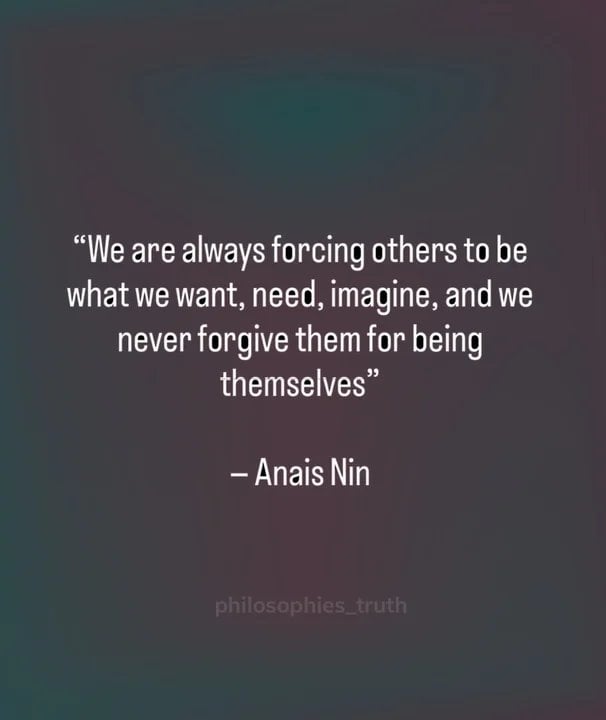
Asking
Only logged in members can reply and interact with the post.
Join SimilarWorlds for FREE »
Top | New | Old
DeWayfarer · 61-69, M
Most everyone falls into their own perspective trap.

That is the nature of beliefs.

Understanding Perspective Traps

Perspective traps occur when an individual's beliefs cloud their ability to see alternative viewpoints. This is a common part of human nature, shaped by personal experiences, biases, and social influences.

The Nature of Beliefs

Beliefs often serve as frameworks through which we interpret the world. They can be influenced by family, culture, education, and personal experiences. While they help us make sense of our surroundings, they can also create cognitive biases that lead us to dismiss conflicting information.

Common Examples

Confirmation Bias: This is the tendency to favor information that confirms existing beliefs while ignoring contradictory evidence.

Anchoring Effect: People often rely too heavily on the first piece of information they encounter, which can skew their judgment in subsequent decisions.

Groupthink: This phenomenon occurs when the desire for harmony within a group leads to poor decision-making, as dissenting views are silenced.

Breaking Free from Perspective Traps

To minimize the impact of these traps, individuals can practice:

Open-mindedness: Actively seeking out diverse viewpoints can help challenge entrenched beliefs.

Critical Thinking: Engaging in reflective thought and questioning assumptions increases awareness of biases.

Empathy: Understanding others' experiences and perspectives fosters a more nuanced view of complex issues.

Recognizing that everyone has their own perspective trap can enhance communication and promote more effective dialogue. It encourages deeper connections and a better understanding of one another.

Pretty much. Romanticizing someone without getting to know or engaging them is not the target's fault really.

The alternative to this is someone pretending to be someone they're not and then later letting the mask slip. There's no real way to know they're a nut unless you observe them for a time to find out they're damaged in such a way. The only way you would then be at fault during this situation is if you choose to stay knowing this, because this is then a conscious decision at that point so you share a little of it now. I suppose.
Kiesel · 56-60, M
@DancingStarGoddess love this, Goddess
@Kiesel Thank you
PerfectionOfTheHeart · 46-50, F
Someone not turning out to be what we perceived them to be is one thing, and them projecting themselves one way while being something completely different is another. We can truly only go off the information we’re given in any scenario. But that’s also why we have gut feelings and intuition to help keep us in tune to the truth that may be hiding under the surface. It just depends on how weakened we are by what they’re giving us to let that unspoken truth outweigh the empty words that are being spoken by someone who knows exactly what they’re doing.
Horok · 31-35, M
People can be deceptive and hide parts of their personality.

This can make you perceive them as something they are not.

So it's not completely my fault.
Magenta · F
Yes, our perceptions and projections are always on us. (I'm not going to twist the question onto them not being what they portrayed, of course we know that happens)

JustNik · 51-55, F
Mostly. I mean there have been times people have purposely acted to deceive, and there I will only take partial blame. As I’ve gotten older, though, I notice I’m less inclined to form a solid perception in general.
Richard65 · M
If they've actively worked to present a false version of themselves, then the responsibility is on them. People need to engage trust when entering a relationship, it's a natural lowering of barriers to let someone you like into your life. If they abuse that trust, then they are at fault. If you see their true nature and you decide to stay in the relationship, then that's on you.
Ferric67 · M
totally happens in my case

I intimidate people who don't know me
meanwhile, I'm super chill and can be ultra engaging on many levels...

all when and whom I want to be
FrugalNoodle · 46-50, M
Some can be termed professional deceivers, and we who are tricked for a time need not blame ourselves, but recuperate in a more healthy manner.
Taking accountability for one’s own naivety is very important.


Realising one is a muppet at times is crucial for survival.

lol 🫀👀
Alyosha · 36-40, M
Kiesel · 56-60, M
To an extent, I guess
val70 · 51-55
Does it have to be anyone's fault?
Yes, it certainly is.
faery · F
Could be their fault, could be mine... could be both
YoMomma ·
Depends on in you just groundlessly made it up from your own imagination or if they misrepresented themselves
hunkalove · 70-79, M
Yeah, but your mom was a big disappointment.
Allelse · 36-40, M
lissah · 36-40, F
Ferise1 · 46-50, M
Why do you always blame the victim?

 
Post Comment