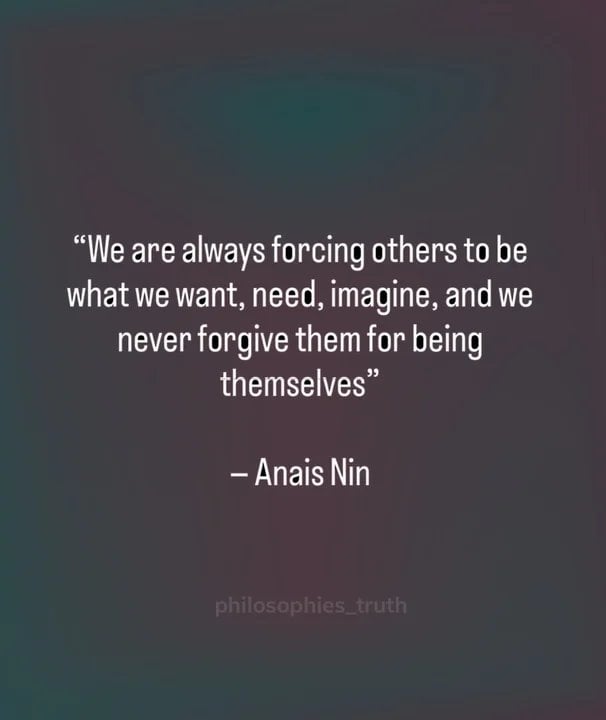
Most everyone falls into their own perspective trap.
That is the nature of beliefs.
Understanding Perspective Traps
Perspective traps occur when an individual's beliefs cloud their ability to see alternative viewpoints. This is a common part of human nature, shaped by personal experiences, biases, and social influences.
The Nature of Beliefs
Beliefs often serve as frameworks through which we interpret the world. They can be influenced by family, culture, education, and personal experiences. While they help us make sense of our surroundings, they can also create cognitive biases that lead us to dismiss conflicting information.
Common Examples
Confirmation Bias: This is the tendency to favor information that confirms existing beliefs while ignoring contradictory evidence.
Anchoring Effect: People often rely too heavily on the first piece of information they encounter, which can skew their judgment in subsequent decisions.
Groupthink: This phenomenon occurs when the desire for harmony within a group leads to poor decision-making, as dissenting views are silenced.
Breaking Free from Perspective Traps
To minimize the impact of these traps, individuals can practice:
Open-mindedness: Actively seeking out diverse viewpoints can help challenge entrenched beliefs.
Critical Thinking: Engaging in reflective thought and questioning assumptions increases awareness of biases.
Empathy: Understanding others' experiences and perspectives fosters a more nuanced view of complex issues.
Recognizing that everyone has their own perspective trap can enhance communication and promote more effective dialogue. It encourages deeper connections and a better understanding of one another.


 · Reply · Translate · 4 hrs ago4 h