
The average US household has 6-figure debt. Should we be worried?
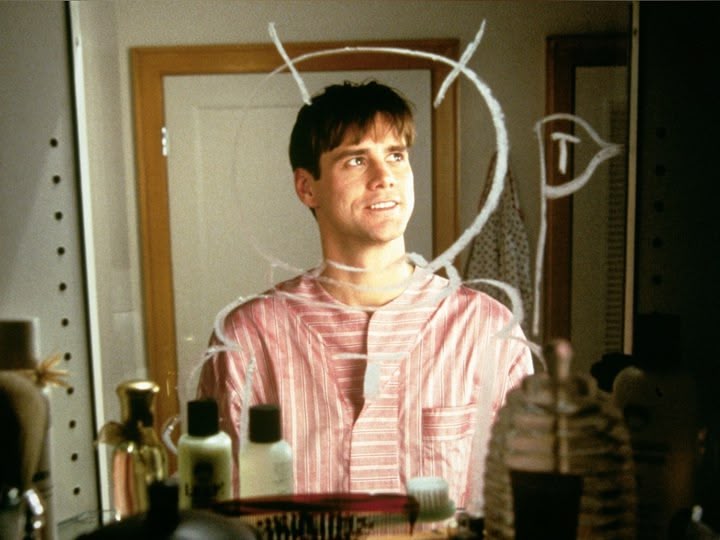
Photo above - are homeowners like this now the most dangerous people in America? What a long, strange trip it's been. (RIP, Bobby . . . )
I was alarmed when I read the link at bottom: “Average US household has six figure debt.” The media is predicting some sort of economic collapse driven by borrowing, of course. And car repo’s are going up somewhat. Higher loan rates and sticker price inflation tend to have that effect.
Then I pondered my own situation – I barely have 5 figure debt. Should I cheer? Oh wait, it’s because I don’t have a mortgage. THAT’S the difference between my debt and the folks whom the article is tsk-tsking about disapprovingly. The other guys own their homes. Oh my . . . someone is actually spinning that into biggest economic problem facing the nation?
This where some economic simpleton weighs in and says “it’s still a problem. Lots of people owned their homes in the past too, before average household debt peaked the mountaintop at over $100,000. This means things are worse than ever. We're all gonna die . . . "
Maybe. Or perhaps it just means houses are more expensive than ever. Boomers are selling off their lifelong homes, and downsizing. They are cashing out their equity and buying new homes - smaller, cheaper - sometimes mortgage free. Their former, expensive homes are being bought by millennials who are paying record prices, and record mortgage rates. For a 2,600 square foot colonial on a quarter acre lot. People who are purchase homes like that sometimes do have household debt beyond $400,000-$500,000.
This is why "the concept of “averages” flummoxes so many people. Let’s recall how averages work. Mr. Smith is a renter with a $20,000 car loan. Mr. Jones is homeowner with both a car loan and a $500,000 mortgage. The average household debt in this micro universe is $260,000. Is it about to collapse? Who is in worse shape? The renter or the homeowner?
Before you answer, let’s also recall that homes are (usually) a better path to expanding your net worth than investing in random corporate stocks, hoarding treasury bills, opening savings accounts, crypto currency, gold Krugerrands, or Desert Storm trading cards.
They’re not making any more land. Which is why Mad Vlad Putin covets Ukraine, and why Trump is talking loudly but carrying a tiny stick on Greenland. In the example above, Mr Jones owns real estate. He’s landed gentry. Everyone else, like me, is a tenant-cube farmer. We're the losers, relatively speaking.
I refuse to be intimidated by clickbait articles claiming the end is near because people are trying to buy homes, and sometimes succeeding. There are lot of things that could drive America’s collapse. Bitcoin speculation. AI stock bubble. Mobile gambling. $38 trillion in national debt. But probably not Mr. Jones, mowing his lawn on Saturday mornings, and driving his Honda Accord. He’s the least of my worries.
I’m just sayin’ . . .
The average US household has six-figure debt — should Americans be worried?



