



DunningKruger · 61-69, M
AI Overview
Other mammals do not go gray as uniformly or visibly as humans primarily because
they often have shorter lifespans in the wild, higher concentrations of color-producing cells, or evolutionary camouflage needs. While many, such as dogs, horses, and chimpanzees, do turn gray, their aging process is often less intense, happens later, or is obscured by coat patterns.
Here is why many other mammals do not show obvious graying:
Lifespan Differences: Many mammals do not live long enough to experience significant hair pigment loss, or they die in the wild before their hair turns gray.
Higher Melanin Density: Cats and other animals may retain more melanocytes (pigment-producing cells) in their hair follicles compared to humans or dogs, delaying the graying process.
Evolutionary Pressure: Animals that rely on camouflage (e.g., tigers) would be disadvantaged if their fur turned gray, as they would be more easily spotted by prey, reducing their chances of passing on genes for longevity and coat color.
Hair Type Differences: Some mammals, such as those that change color seasonally (e.g., hares), have mechanisms to turn pigment production on and off, which differs from the permanent loss of pigment in human graying.
Delayed Aging Signals: In some species, such as silverback gorillas, graying is a sign of maturity or dominance, not necessarily a sign of a body in decline as often perceived in humans.
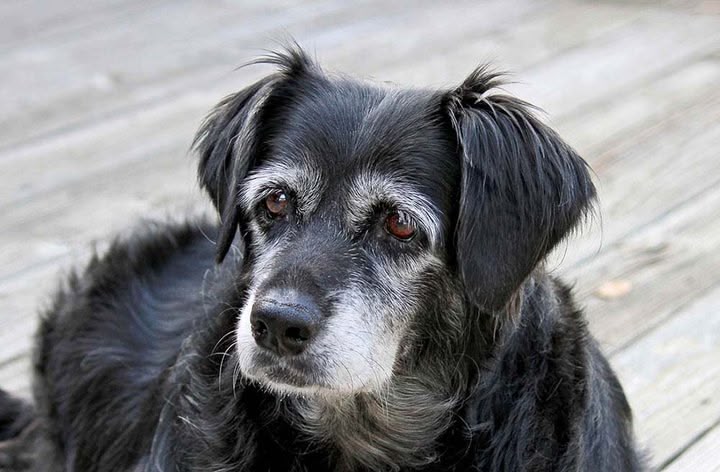
Although not always as noticeable, some mammals like dogs, cats, and horses do experience graying, often beginning around their muzzles or faces, due to the same reduction of stem cells in their hair follicles.
Other mammals do not go gray as uniformly or visibly as humans primarily because
they often have shorter lifespans in the wild, higher concentrations of color-producing cells, or evolutionary camouflage needs. While many, such as dogs, horses, and chimpanzees, do turn gray, their aging process is often less intense, happens later, or is obscured by coat patterns.
Here is why many other mammals do not show obvious graying:
Lifespan Differences: Many mammals do not live long enough to experience significant hair pigment loss, or they die in the wild before their hair turns gray.
Higher Melanin Density: Cats and other animals may retain more melanocytes (pigment-producing cells) in their hair follicles compared to humans or dogs, delaying the graying process.
Evolutionary Pressure: Animals that rely on camouflage (e.g., tigers) would be disadvantaged if their fur turned gray, as they would be more easily spotted by prey, reducing their chances of passing on genes for longevity and coat color.
Hair Type Differences: Some mammals, such as those that change color seasonally (e.g., hares), have mechanisms to turn pigment production on and off, which differs from the permanent loss of pigment in human graying.
Delayed Aging Signals: In some species, such as silverback gorillas, graying is a sign of maturity or dominance, not necessarily a sign of a body in decline as often perceived in humans.
Although not always as noticeable, some mammals like dogs, cats, and horses do experience graying, often beginning around their muzzles or faces, due to the same reduction of stem cells in their hair follicles.
SumKindaMunster · 56-60, M

CrazyMusicLover · 31-35