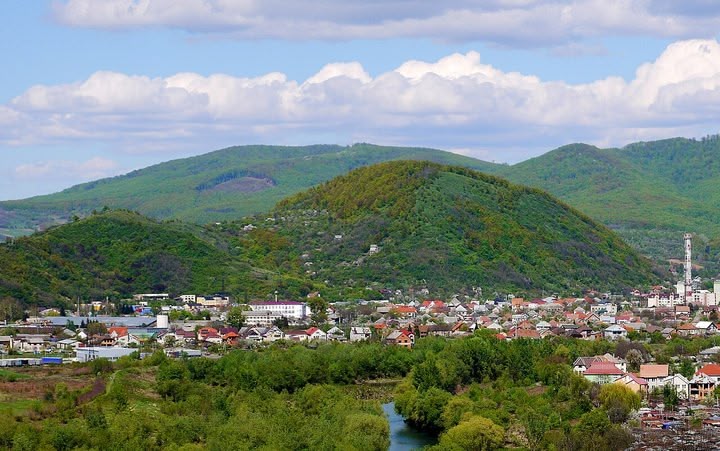
Carpathian Ruthenia rests on the southern slopes of the eastern Carpathian Mountains, bordered to the east and south by the Tisza River, and to the west by the Hornád and Poprad Rivers. The region borders Poland, Slovakia, Hungary, and Romania, and makes up part of the Pannonian Plain.[citation needed] The region is predominantly rural and infrastructurally underdeveloped. The landscape is mostly mountainous; it is geographically separated from Ukraine, Slovakia, and Romania by mountains, and from Hungary by the Tisza river. The two major cities are Uzhhorod and Mukachevo, both with populations around 100,000. The population of the other five cities (including Khust and Berehove) varies between 10,000 and 30,000. Other urban and rural populated places have a population of less than 10,000.
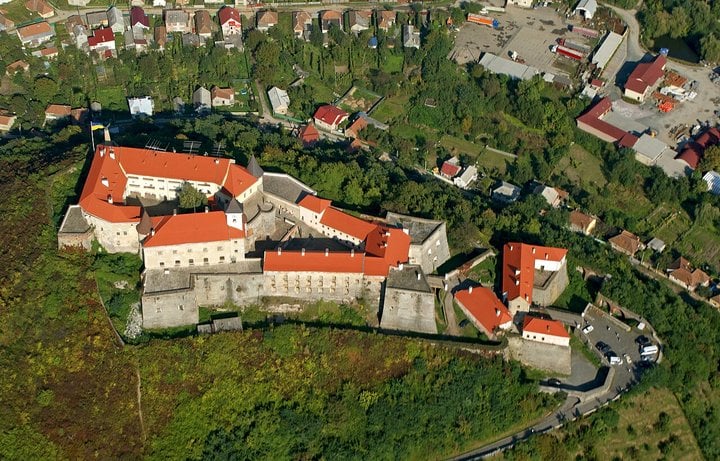
Mukachevo lies close to the borders of four neighbouring countries: Poland, Slovakia, Hungary, and Romania. Today, the population is 85,569 (2022 estimate). The city is a traditional stronghold of the Rusyn language, and the population of Mukachevo is officially reported as 77.1% ethnic Ukrainian. There are also significant minorities of: Russians (9.0%); Hungarians (8.5%); Germans (1.9%); and Roma (1.4%).
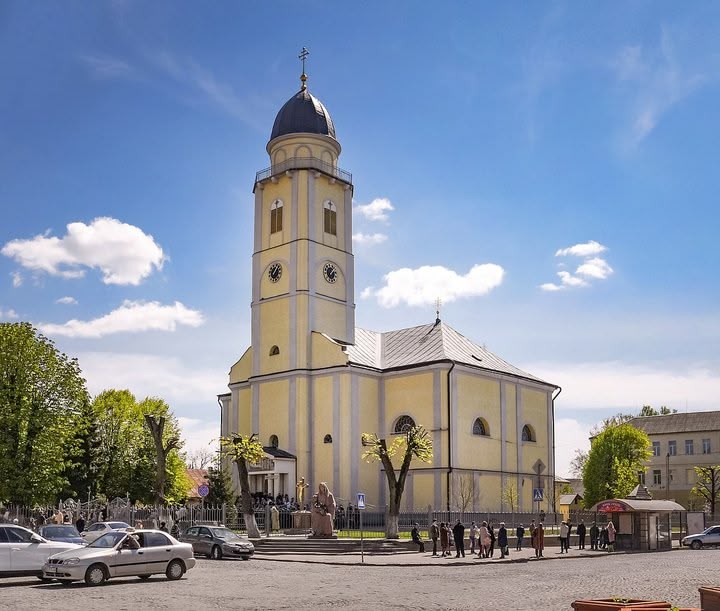
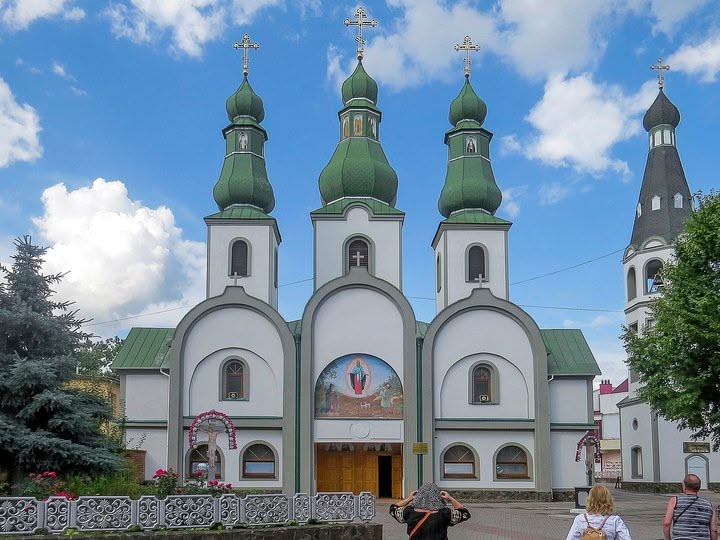
While Uzhhorod is the main administrative city in the region, Mukachevo is a historic spiritual center of the region and center of the former Eastern Orthodox eparchy of Kyivan Metropolis. In the 17th century it united with the Catholic church by the Union of Uzhhorod, similar to the Union of Brest. Up until World War II and the Holocaust, Mukachevo was primarily a Jewish town, and half the population was Jewish (see below). The population comprised Rusyns, Hungarians, Slovaks, and other minorities. Formerly in Czechoslovakia, and before that in Hungary, it was incorporated into Soviet Ukraine after World War II.