



This page is a permanent link to the reply below and its nested replies. See all post replies »


@Gusman I FEEL YOUR PAIN! 😭💔
I really do...the amount of domestic pets(horses included) that die, just because the owner left in a hurry after evacuation orders and optimistically thought the fire would never reach his home, is stupidly high. 😤
Not to mention the loss of those brave firefighters...most of them newly married or young men with a young families. 💔
I hope that couple were safe though...🙏😖
Oh! We need continuous rains...and it'll be fine then. 🌧️
I really do...the amount of domestic pets(horses included) that die, just because the owner left in a hurry after evacuation orders and optimistically thought the fire would never reach his home, is stupidly high. 😤
Not to mention the loss of those brave firefighters...most of them newly married or young men with a young families. 💔
I hope that couple were safe though...🙏😖
Oh! We need continuous rains...and it'll be fine then. 🌧️



Gusman · 61-69, M
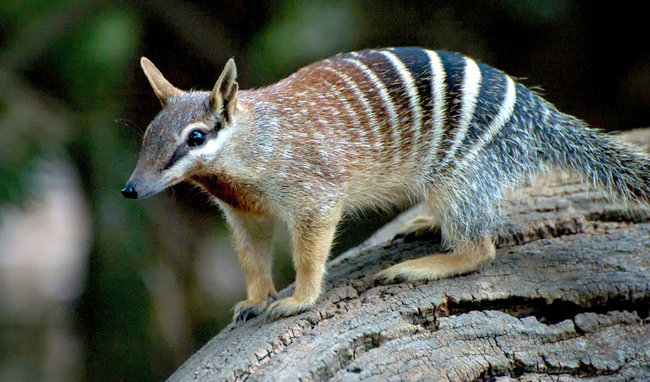
@Vivaci They only live in a very small area, two small areas, of Western Australia.
Their diet is Termites, up to 20,000 a day.
Their home is what's called Dryandra Woodland, open, dry, (very little water) Eucalypt woodland.
Farming has reduced their homeland to these two small pockets.
They are Diurnal, meaning they are only active during the day.
They have several nesting burrows in their rangeland and they forage for Termites in fallen trees and Termite mounds.
Numbats are small, 7" - 12" body, with a tail that is 5" to 10" long.
Perth Zoo is the only place where they are bred and released into the wild.
Numbats have an average of four pups a year.
I camped for a whole week in the Dryandra Woodlands and never saw a Numbat.
Adopting Numbats
https://www.facebook.com/adopt.rescuer
https://perthzoo.wa.gov.au/adoptions
Project Numbat, not adoptions
http://www.numbat.org.au/
Their diet is Termites, up to 20,000 a day.
Their home is what's called Dryandra Woodland, open, dry, (very little water) Eucalypt woodland.
Farming has reduced their homeland to these two small pockets.
They are Diurnal, meaning they are only active during the day.
They have several nesting burrows in their rangeland and they forage for Termites in fallen trees and Termite mounds.
Numbats are small, 7" - 12" body, with a tail that is 5" to 10" long.
Perth Zoo is the only place where they are bred and released into the wild.
Numbats have an average of four pups a year.
I camped for a whole week in the Dryandra Woodlands and never saw a Numbat.
Adopting Numbats
https://www.facebook.com/adopt.rescuer
https://perthzoo.wa.gov.au/adoptions
Project Numbat, not adoptions
http://www.numbat.org.au/