DeSantis puts a ticking time clock on Blue state refugees: Move fast or miss out
Florida is once again doing something that sends accountants in Albany and Sacramento reaching for antacids.
While high-tax states continue treating homeowners like ATM machines with lawns, Florida lawmakers have pushed forward one of the most aggressive property-tax relief plans in the country. The proposal, championed by Gov. Ron DeSantis, now heads to voters in November 2026 and could dramatically slash local property-tax bills for millions of Floridians.
But there’s a catch big enough to make a U-Haul driver hit the brakes.
If voters approve the constitutional amendment, Florida’s current homestead exemption would jump from $50,000 to $150,000 in 2027 and then to $250,000 in 2028 for non-school property taxes. In many cases, homeowners could see their local property-tax burden shrink dramatically. Some could see it disappear altogether. The measure also lays groundwork for even broader tax relief down the road.
The Sunshine State is trying to make homeownership cheaper while much of America is still figuring out how to make it more expensive.
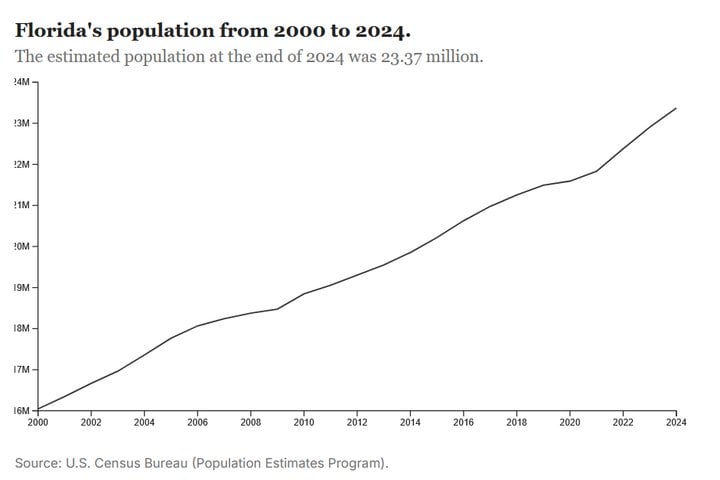
Not surprisingly, the proposal is already turning heads among families, retirees, remote workers and refugees from the tax-and-regulate crowd in places like New York, New Jersey, Illinois and California.
But anyone planning to join Florida’s migration party should pay attention to the fine print. Residents who establish Florida residency by the end of 2026 would be eligible for the expanded benefits when they begin rolling out. Arrive after the deadline and you’ll be cooling your heels for years before receiving the full exemption package. In other words, the welcome mat is still out — but procrastinators may find the front door locked. That distinction appears designed to reward long-term Florida residents while preventing a last-minute stampede of newcomers chasing tax breaks.
While high-tax states continue treating homeowners like ATM machines with lawns, Florida lawmakers have pushed forward one of the most aggressive property-tax relief plans in the country. The proposal, championed by Gov. Ron DeSantis, now heads to voters in November 2026 and could dramatically slash local property-tax bills for millions of Floridians.
But there’s a catch big enough to make a U-Haul driver hit the brakes.
If voters approve the constitutional amendment, Florida’s current homestead exemption would jump from $50,000 to $150,000 in 2027 and then to $250,000 in 2028 for non-school property taxes. In many cases, homeowners could see their local property-tax burden shrink dramatically. Some could see it disappear altogether. The measure also lays groundwork for even broader tax relief down the road.
The Sunshine State is trying to make homeownership cheaper while much of America is still figuring out how to make it more expensive.
Not surprisingly, the proposal is already turning heads among families, retirees, remote workers and refugees from the tax-and-regulate crowd in places like New York, New Jersey, Illinois and California.
But anyone planning to join Florida’s migration party should pay attention to the fine print. Residents who establish Florida residency by the end of 2026 would be eligible for the expanded benefits when they begin rolling out. Arrive after the deadline and you’ll be cooling your heels for years before receiving the full exemption package. In other words, the welcome mat is still out — but procrastinators may find the front door locked. That distinction appears designed to reward long-term Florida residents while preventing a last-minute stampede of newcomers chasing tax breaks.