Trump and the Transatlantic Alliance
As a transatlanticist, Donald Trump‘s political ascendency came as a shock to me. Some might say it was because of the litany of demands for European concessions that were enunciated repeatedly and pugnaciously by the President ever since the launch of his first presidential campaign back in 2015.
That is not the case, however. Many of the President‘s strategic requests were substantively acceptable and useful even though the manner in which they were presented lacked any diplomatic finesse. With democratic allies, a courteous yet candid approach to diplomacy has the most promising historic track record yet rather than convincing or charming allies, both the first and second Trump administrations have treated European allies and the EU more as a third political party in the United States, aligned with the Democratic Party and considered culturally indistinguishable from the coastal and urban United States which the MAGA movement despises almost intestinally.
And if the Democratic Party mustn‘t be engaged diplomatically, humanely and courteously, the same certainly applies to their supposed ideological brethren on the other side of the Atlantic, or so the logic went.
That being said, the lack of sophisticated public diplomacy is not at the core of the issue. Trump‘s personal indifference to Europe as a strategic asset and crucial geopolitical theater is.
European conflicts have drawn the United States into two world wars and a protracted Cold War. The United States has historically unprecedented and completely unparalleled access to a wide network of bases and military infrastructure across the entire European continent, which is currently being utilized by the Department of Defense for the ongoing US operations in the Middle East. European intelligence services cooperate intimately with the United States to contain and combat common threats and to thwart terrorist attacks. No other regional combination of states has provided more financial resources and has sacrificed a greater number of their nation‘s service members than Europe‘s Nato allies in the service of US-led campaigns.
When the United States invoked Article 5, the casus foederis provision of the North Atlantic treaty, in the wake of 9/11, every Nato ally chose to contribute some measure of support to the war in Afghanistan. Despite Franco-German criticism, a sizeable group of other European countries joined the Coalition of the Willing in 2003 to remove Saddam Hussein from power in Iraq, whereas neither Israel nor any of the Gulf monarchies, except Kuwait, joined the coalition. In the Korean War, the Gulf War, the wars in Yugoslavia, the Libyan intervention and the counter-ISIS mission, America’s European allies followed the United States and contributed more than any other regional combination of states, second only to the United States itself.
For the most part, the United States didn’t fight those wars with Asian or Latin American allies even though these regions are often seen as a higher priority to the US administration these days.
Last year, it wasn’t a Latin American or an Asian ally that joined the United States during Operation Rough Rider to degrade the Houthi‘s military capabilities in Yemen, it was the United Kingdom. Moreover, even though Asian economies were also significantly affected by the partial Houthi blockade of the Strait of Bab-el-Mandeb, European, not Japanese, South Korean or Taiwanese navies, organized a defensive naval escort effort under the name of Operation Aspides to safeguard Red Sea shipping.
European allies have frequently proved to be global, not just regional US partners. After the Cold War, European governments deliberately restructured their militaries into expeditionary forces to support US overseas campaigns in the Balkans, Africa, the Middle East and Central Asia outside Nato‘s traditional area of operations.
In addition to that, no other group of US allies purchases as much US-made defense articles as Europe‘s Nato members.
The US and Europe are linked by the deepest bilateral investment relationship between any two economies in the world today. Therefore, and for numerous other reasons, the US has every interest in preserving a free, prosperous, peaceful, and secure European continent.
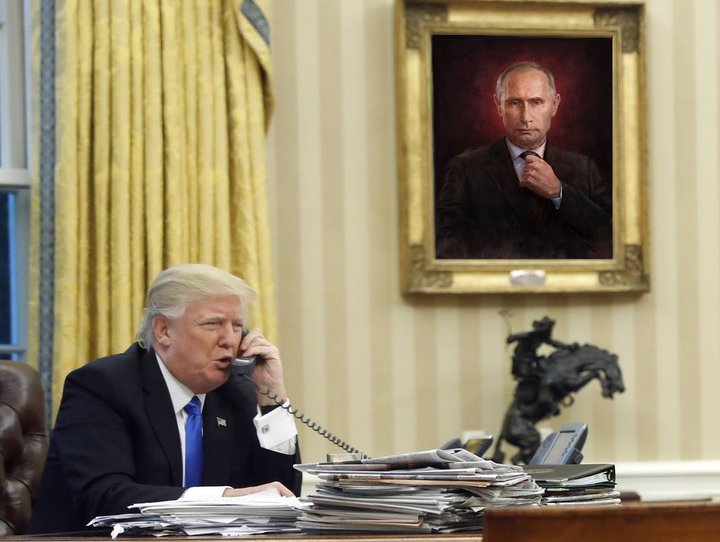
In light of this, the President‘s affinity for the Russian Federation and its leader is a catastrophic oversight. There are very few ways in which the Russian regime could express its enmity toward the United States or its malignant and dangerous character more unequivocally than it already has for decades.
The Russian Federation obstructs U.S priorities at the UN Security Council, it consistently provides aid and diplomatic cover to regimes that this administration has engaged or is potentially planning to engage militarily, including Iran, Venezuela, the Houthis and Cuba. The United States has to destroy and suppress Russian (and Chinese)-made weapons systems and military platforms in all its campaigns against these lesser rogue nations and non-state actors. Under normal circumstances, this alone ought to be an an eye-opener.
There‘s a compelling logic behind the Russian support for these enemies of the United States. Moscow understands too well what the Trump administration seemingly fails to grasp in Ukraine, that the enemy of my enemy is my friend. There is no doubt that the Kremlin considers the United States the single greatest obstacle to its ascent and to the revival of its lost imperial greatness, enabled by unopposed and persistent territorial aggrandizement.
Russia has reportedly provided targeting data and weapons to the Houthis in the midst of an ongoing campaign putting US service members into harm‘s way. Furthermore, they‘ve replicated their efforts in Iran possibly by providing Russian-modified Shahed loitering munitions to the Iranian regime which would be more potent tools than the original Iranian version of the UAV.
Russian intelligence units have flooded the information space with anti-American vitriol, hacked American firms at great costs to the US private sector, Russian foreign policies actively undermined US counter-terrorism objectives in the Sahel and Syria, and intelligence reports indicate that Russia‘s intelligence services paid bounties to the Taliban for every killed U.S service member in Afghanistan.
The list of Russian depredations doesn’t end there but it is evidently time for this administration to strengthen, not mistreat, the European pillar of Nato and to bolster the US commitment to the continent. The most crucial policy to shore up the US position in Europe runs through Ukraine and requires a long-overdue recalibration of US Ukraine policy to finally ensure that a Ukrainian military victory and a concomitant Russian defeat is adopted as the stated and the actual objective of US policy.
That is not the case, however. Many of the President‘s strategic requests were substantively acceptable and useful even though the manner in which they were presented lacked any diplomatic finesse. With democratic allies, a courteous yet candid approach to diplomacy has the most promising historic track record yet rather than convincing or charming allies, both the first and second Trump administrations have treated European allies and the EU more as a third political party in the United States, aligned with the Democratic Party and considered culturally indistinguishable from the coastal and urban United States which the MAGA movement despises almost intestinally.
And if the Democratic Party mustn‘t be engaged diplomatically, humanely and courteously, the same certainly applies to their supposed ideological brethren on the other side of the Atlantic, or so the logic went.
That being said, the lack of sophisticated public diplomacy is not at the core of the issue. Trump‘s personal indifference to Europe as a strategic asset and crucial geopolitical theater is.
European conflicts have drawn the United States into two world wars and a protracted Cold War. The United States has historically unprecedented and completely unparalleled access to a wide network of bases and military infrastructure across the entire European continent, which is currently being utilized by the Department of Defense for the ongoing US operations in the Middle East. European intelligence services cooperate intimately with the United States to contain and combat common threats and to thwart terrorist attacks. No other regional combination of states has provided more financial resources and has sacrificed a greater number of their nation‘s service members than Europe‘s Nato allies in the service of US-led campaigns.
When the United States invoked Article 5, the casus foederis provision of the North Atlantic treaty, in the wake of 9/11, every Nato ally chose to contribute some measure of support to the war in Afghanistan. Despite Franco-German criticism, a sizeable group of other European countries joined the Coalition of the Willing in 2003 to remove Saddam Hussein from power in Iraq, whereas neither Israel nor any of the Gulf monarchies, except Kuwait, joined the coalition. In the Korean War, the Gulf War, the wars in Yugoslavia, the Libyan intervention and the counter-ISIS mission, America’s European allies followed the United States and contributed more than any other regional combination of states, second only to the United States itself.
For the most part, the United States didn’t fight those wars with Asian or Latin American allies even though these regions are often seen as a higher priority to the US administration these days.
Last year, it wasn’t a Latin American or an Asian ally that joined the United States during Operation Rough Rider to degrade the Houthi‘s military capabilities in Yemen, it was the United Kingdom. Moreover, even though Asian economies were also significantly affected by the partial Houthi blockade of the Strait of Bab-el-Mandeb, European, not Japanese, South Korean or Taiwanese navies, organized a defensive naval escort effort under the name of Operation Aspides to safeguard Red Sea shipping.
European allies have frequently proved to be global, not just regional US partners. After the Cold War, European governments deliberately restructured their militaries into expeditionary forces to support US overseas campaigns in the Balkans, Africa, the Middle East and Central Asia outside Nato‘s traditional area of operations.
In addition to that, no other group of US allies purchases as much US-made defense articles as Europe‘s Nato members.
The US and Europe are linked by the deepest bilateral investment relationship between any two economies in the world today. Therefore, and for numerous other reasons, the US has every interest in preserving a free, prosperous, peaceful, and secure European continent.
In light of this, the President‘s affinity for the Russian Federation and its leader is a catastrophic oversight. There are very few ways in which the Russian regime could express its enmity toward the United States or its malignant and dangerous character more unequivocally than it already has for decades.
The Russian Federation obstructs U.S priorities at the UN Security Council, it consistently provides aid and diplomatic cover to regimes that this administration has engaged or is potentially planning to engage militarily, including Iran, Venezuela, the Houthis and Cuba. The United States has to destroy and suppress Russian (and Chinese)-made weapons systems and military platforms in all its campaigns against these lesser rogue nations and non-state actors. Under normal circumstances, this alone ought to be an an eye-opener.
There‘s a compelling logic behind the Russian support for these enemies of the United States. Moscow understands too well what the Trump administration seemingly fails to grasp in Ukraine, that the enemy of my enemy is my friend. There is no doubt that the Kremlin considers the United States the single greatest obstacle to its ascent and to the revival of its lost imperial greatness, enabled by unopposed and persistent territorial aggrandizement.
Russia has reportedly provided targeting data and weapons to the Houthis in the midst of an ongoing campaign putting US service members into harm‘s way. Furthermore, they‘ve replicated their efforts in Iran possibly by providing Russian-modified Shahed loitering munitions to the Iranian regime which would be more potent tools than the original Iranian version of the UAV.
Russian intelligence units have flooded the information space with anti-American vitriol, hacked American firms at great costs to the US private sector, Russian foreign policies actively undermined US counter-terrorism objectives in the Sahel and Syria, and intelligence reports indicate that Russia‘s intelligence services paid bounties to the Taliban for every killed U.S service member in Afghanistan.
The list of Russian depredations doesn’t end there but it is evidently time for this administration to strengthen, not mistreat, the European pillar of Nato and to bolster the US commitment to the continent. The most crucial policy to shore up the US position in Europe runs through Ukraine and requires a long-overdue recalibration of US Ukraine policy to finally ensure that a Ukrainian military victory and a concomitant Russian defeat is adopted as the stated and the actual objective of US policy.