Janis Joplin and Why She Still Matters By The Be Weird Company
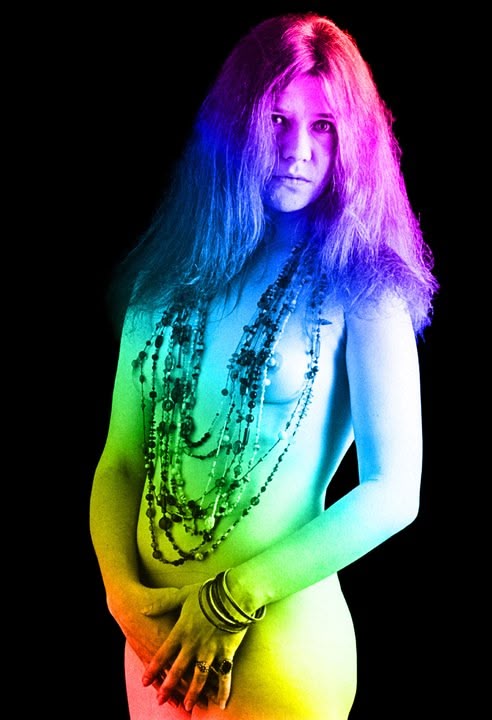
Janis Joplin didn’t just sing songs — she tore them open. She didn’t just walk onto a stage — she detonated it. In an era already bursting with revolution, protest, psychedelia, and possibility, Janis still managed to feel radical. Not because she tried to be. Because she simply was.
Today, we celebrate Janis Joplin not as a caricature of the 1960s, not as a tragic headline, and not as a poster on a dorm room wall — but as a very real, complicated, deeply human force who changed music and quietly challenged society along the way.
The Shy Girl from Texas
Before Monterey Pop.
Before “Piece of My Heart.”
Before the feathers, the bangles, the whiskey-soaked howl.
There was a shy girl in Port Arthur, Texas.
Janis grew up feeling different. She loved blues records in a town that didn’t understand them. She read poetry. She dug deep into Lead Belly and Bessie Smith while her peers were chasing conformity. Kids mocked her appearance. Adults didn’t quite know what to make of her. She was too loud, too intense, too “boisterous.” Too much.
So she leaned into it.
Instead of shrinking, Janis reveled in being an outsider. That outsider energy would later become her superpower. She understood pain because she had lived it. She understood longing because she had felt it. And when she sang the blues, it wasn’t revivalism — it was testimony.
San Francisco: Where Weird Became Weapon
When Janis moved to San Francisco in the mid-1960s, she found something rare: a scene that didn’t just tolerate weird — it celebrated it.
The Haight-Ashbury music explosion was raw, experimental, and wide open. With Big Brother and the Holding Company, Janis didn’t polish her voice into something palatable. She unleashed it. She screamed. She sobbed. She rasped. She moaned. And somehow, it was beautiful.
At the 1967 Monterey Pop Festival, she didn’t just perform — she converted. The audience watched a woman command a stage with a ferocity that, at the time, was mostly reserved for men. She wasn’t dainty. She wasn’t controlled. She wasn’t trying to be anyone’s version of “acceptable.”
She was free.
And that freedom rattled people.
The Feminist Complication
Here’s where it gets interesting.
In the late ’60s and early ’70s, as second-wave feminism gained momentum, some critics — including some feminists — weren’t sure what to make of Janis. She drank hard. She partied harder. She hung out “with the guys.” She wasn’t always politically polished. To some, she looked needy, chaotic, maybe even self-destructive.
But Janis saw herself differently.
She understood discrimination. She had been judged for her looks, her voice, her interests, her intensity. She knew what it felt like to be dismissed. And yet, she refused to perform a version of womanhood that didn’t fit her.
As she once expressed in her own way: I know what it’s like to be discriminated against — trust me, I do — but I like hanging out with the guys. That’s just who I am.
And that’s the point.
Janis wasn’t trying to be a symbol. She wasn’t trying to check ideological boxes. She wasn’t interested in labels — feminist icon, counterculture queen, blues revivalist. She was interested in being Janis.
In hindsight, that refusal to conform — even to movements that might have claimed her — is precisely what makes her revolutionary.
Labels Don’t Matter — Presence Does
Janis Joplin proved something powerful: identity isn’t performance. It’s presence.
She didn’t ask permission to be loud.
She didn’t soften her edges to make others comfortable.
She didn’t dilute her voice — musically or personally.
In a culture obsessed with categories, she moved like a storm system — impossible to box in. She could be vulnerable and brash. Needy and fiercely independent. Shy and explosive. Spiritual and reckless. Contradictory.
Human.
And maybe that’s what unsettled people most.
We like our heroes simple. Janis wasn’t simple.
The Sound of Feeling Too Much
Musically, she changed the game.
Female singers in mainstream rock before Janis were often expected to be polished, controlled, and pretty. Janis shattered that template. She brought blues phrasing into psychedelic rock. She channeled Bessie Smith with white-hot abandon. She made emotional excess not just acceptable — but transcendent.
You didn’t just hear Janis. You felt her in your ribcage.
Every cracked note felt earned. Every scream felt like survival. She sang about love not as fantasy but as hunger — raw, desperate, ecstatic, messy hunger.
That vulnerability gave countless artists permission to stop pretending. After Janis, women in rock didn’t have to be tidy. They could be wild. They could be broken. They could be loud.
They could be weird.
The Price of Burning Bright
Of course, we cannot talk about Janis without acknowledging the tragedy. She died in 1970 at 27. The same sensitivity that made her brilliant also left her exposed. Fame didn’t erase insecurity. Applause didn’t silence loneliness.
But reducing her to the “27 Club” does her a disservice.
Janis Joplin was not a cautionary tale. She was a comet — intense, brief, unforgettable. Her life raises complicated questions about vulnerability, addiction, and fame. But it also reminds us that authenticity sometimes comes with risk.
She chose to live out loud.
Why She Still Matters
So why does Janis Joplin still matter today?
Because we’re still arguing about labels.
We’re still debating how women “should” behave.
We’re still uncomfortable with people who don’t fit neatly into ideological boxes.
Janis reminds us that identity is not a committee decision.
You can understand discrimination and still choose your own crowd.
You can reject conformity without turning yourself into a slogan.
You can be tender and tough at the same time.
Most of all, Janis Joplin matters because she modeled something radical: unapologetic selfhood.
She didn’t ask to be cleaned up for history. She didn’t curate a brand. She didn’t smooth her contradictions. She showed up — flawed, electric, searching — and sang like her life depended on it.
And maybe it did.
At Be Weird Company, we believe weird isn’t a costume. It’s courage. It’s standing in your truth even when it doesn’t fit the script. Janis Joplin did that decades before authenticity became a marketing buzzword.
She was a shy Texas girl who read poetry and loved the blues.
She was a counterculture queen who terrified polite society.
She was criticized, celebrated, misunderstood, and immortal.
Love her or hate her, you gotta admit:
Janis Joplin didn’t just change music.
She changed the permission structure for being yourself.