How much would you pay for a calculator that was wrong 30% of the time?
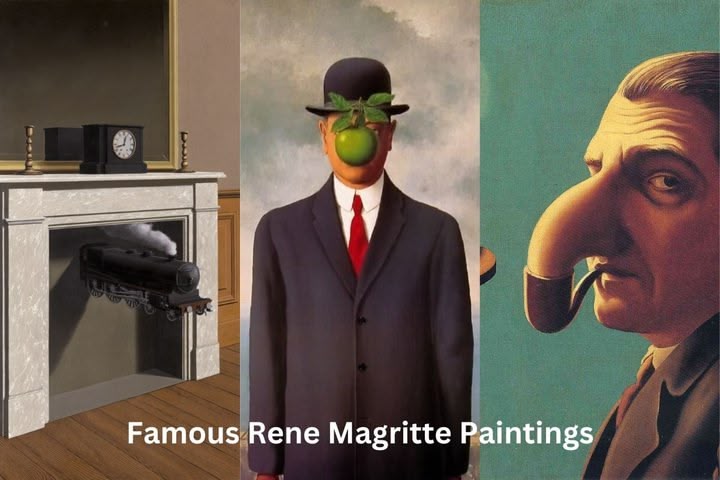
Photo above - if AI hallucinations are bad, does that mean human hallucinations are good?
Big shot investors are bailing on AI stock darlings (see BBC link below). Yet my email in-box is full of spam telling me that Nvidia, Bitcoin, and gold are going to the moon in 2026. Netflix monthly subscription fees too, apparently. Mine seems to have doubled while I was watching Stranger Things.
What’s been missing from the “AI is great, or will AI crash” debate? An analysis of the product quality, and the theoretical size of the customer base. The article at bottom isn’t perfect, but it is compelling: AI takes mind blowing amounts of electricity, data, and expensive chips, yet yields diminishing returns with each successive generation. The opposite of Moore’s law about computing capabilities. (Google it)
The low hanging fruit has already been picked.
The assumption that more data and chips will always drive exponentially better AI performance is (according to the authors) “a flaw hiding in plain sight”. Their specific example;
“If I told you that my baby weighed 9 pounds at birth, and 18 months later it had doubled in weight,” Marcus posits, “that doesn’t mean it’s going to keep doubling and become a trillion-pound baby by the time it goes to college.”
AI experts claim as long as you give their software more food (data) their baby will naturally grow, unlike human babies, which would die from obesity. Those experts are confident that AI can never choke itself to death on excess.
That’s not the main problem, however. It’s the hallucination rate. After all those yearly LLM upgrades and advances, the error rate (ChatGPT-4) is still an astonishing 28.6%. It routinely invents fake sources, cites articles that never existed, gets established dates wrong, and assumes a $hitload of facts not in evidence. Yesterday I caught Google’s AI claiming that Tuesday is New Years Eve (12/31/25).
Let me repeat – the wrong answer 28.6% of the time. No wonder companies are giving it away for free. You couldn’t charge money for a desktop calculator with this error rate, either.
I’m just sayin’ . . .
We might finally know what will burst the AI bubble | BBC Science Focus Magazine




