
This post may contain Mildly Adult content.



This page is a permanent link to the reply below and its nested replies. See all post replies »

ArishMell · 70-79, M
Also read Attack Warning Red! - How Britain Prepared For Nuclear War, by Julia McDowall.
She states seeing the film on TV when really, too young to have watched it, made a lasting impression that finally found an outlet in this book, with a huge amount of research behind it.
It can be summed by adding [Did Not] to the sub-title.
She explains the official approach was often vague, kept changing and relied too heavily on memories of air-raids on British cities in WW2. Those were bad enough but the effects of a nuclear bomb are some orders of magnitude worse; and none of the civil-defence actions that worked then, would save many lives burned and irradiated by a thermonuclear explosion.
MacDowall also compares the British with the American public-information efforts, and although the US ones were more coherent and more publicised, schemes like the "Duck & Cover" drills in schools would still be ultimately futile. The most that cartoon turtle did, was terrify a lot of children - and some students apparently refused to perform them. I watched one of the films made for this, and found one or two aspects of it strangely eerie. The best protected civilians, it seems, of the countries' preparations the author found, may have been the Russians and the Swedes.
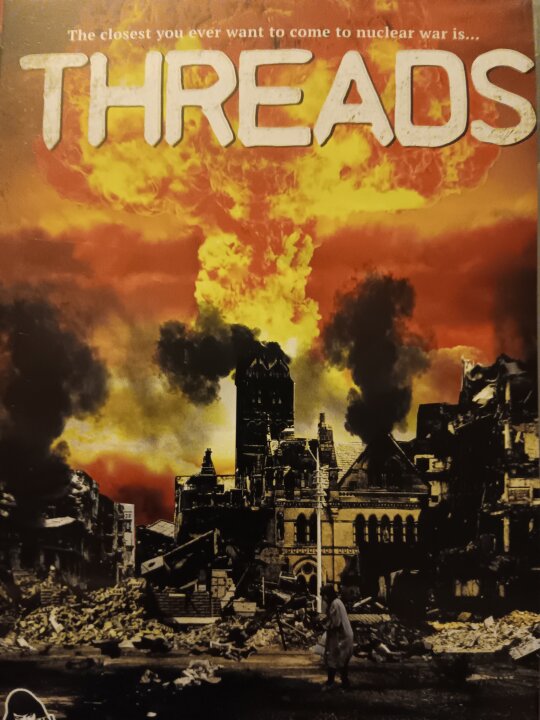
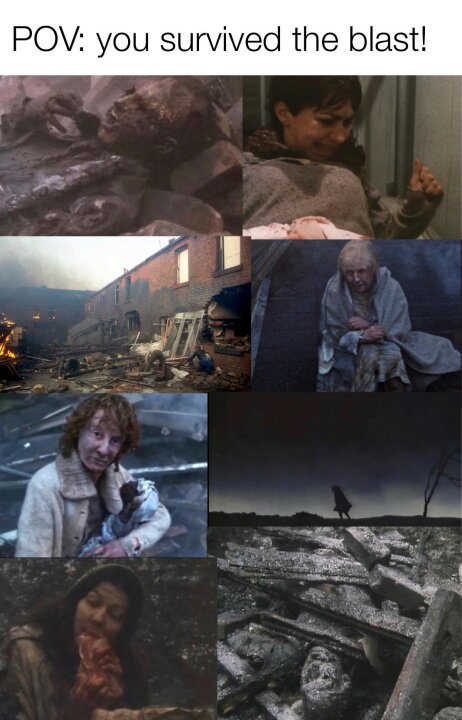
In discussing the films, Julia McDowell says the BBC was under considerable pressure from a frightened Government not to screen Threads, but did so eventually. The American one was released at about the same time, hoping to steal all the limelight - but failed miserably because Threads was by far the credible one. The author says The Day After presents rosy images such as sparkling clean hospitals working as if normal, but the review and awards audiences knew that would just not happen, and gave all the praise to Threads.
A much gentler but still chilling work of speculative fiction with a credible story line, is Raymond Briggs' When The Wind Blows . The author who gave us the children's Christmas The Snowman, here relates an elderly couple who emerge too early from their improvised blast shelter inside their house, into a bewildering world still and silent save for the wind, and covered in radioactive dust.... I have not read it, but have heard it dramatised very effectively on BBC Radio.
She states seeing the film on TV when really, too young to have watched it, made a lasting impression that finally found an outlet in this book, with a huge amount of research behind it.
It can be summed by adding [Did Not] to the sub-title.
She explains the official approach was often vague, kept changing and relied too heavily on memories of air-raids on British cities in WW2. Those were bad enough but the effects of a nuclear bomb are some orders of magnitude worse; and none of the civil-defence actions that worked then, would save many lives burned and irradiated by a thermonuclear explosion.
MacDowall also compares the British with the American public-information efforts, and although the US ones were more coherent and more publicised, schemes like the "Duck & Cover" drills in schools would still be ultimately futile. The most that cartoon turtle did, was terrify a lot of children - and some students apparently refused to perform them. I watched one of the films made for this, and found one or two aspects of it strangely eerie. The best protected civilians, it seems, of the countries' preparations the author found, may have been the Russians and the Swedes.
In discussing the films, Julia McDowell says the BBC was under considerable pressure from a frightened Government not to screen Threads, but did so eventually. The American one was released at about the same time, hoping to steal all the limelight - but failed miserably because Threads was by far the credible one. The author says The Day After presents rosy images such as sparkling clean hospitals working as if normal, but the review and awards audiences knew that would just not happen, and gave all the praise to Threads.
A much gentler but still chilling work of speculative fiction with a credible story line, is Raymond Briggs' When The Wind Blows . The author who gave us the children's Christmas The Snowman, here relates an elderly couple who emerge too early from their improvised blast shelter inside their house, into a bewildering world still and silent save for the wind, and covered in radioactive dust.... I have not read it, but have heard it dramatised very effectively on BBC Radio.