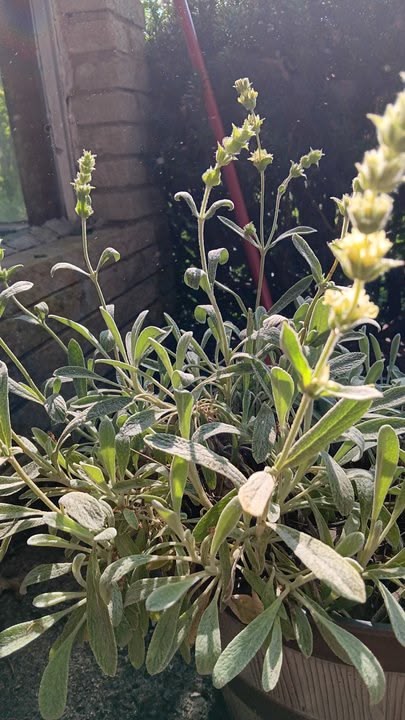
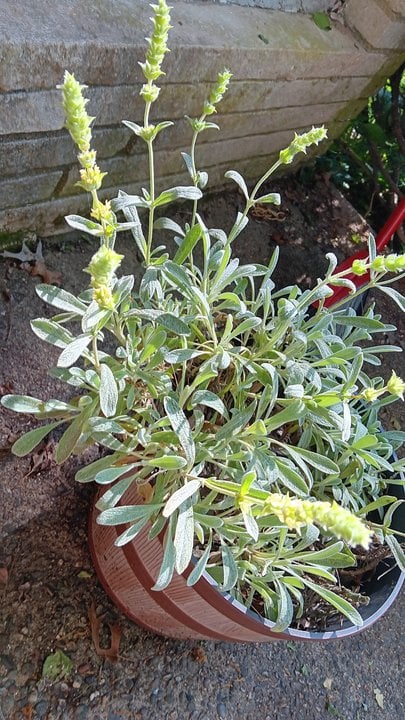
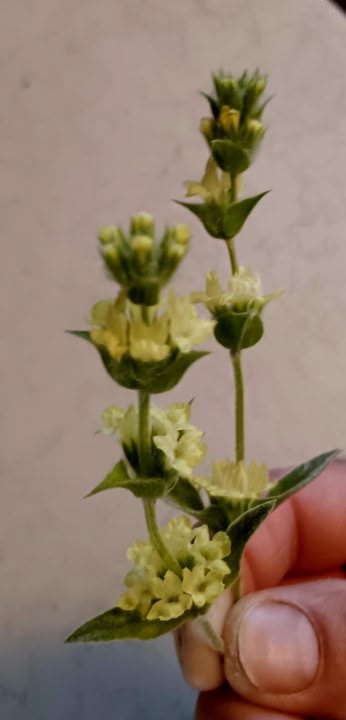
Also called Ironwort because long ago it was said warriors used it to help heal iron wounds on the battlefield
Tea is made from the flowers and stems, which can be used either dried or fresh
It has a smooth, honey-like flavor and it's naturally caffeine free
health benefits Supports Brain Health: Research suggests that compounds in mountain tea have neuroprotective properties. Clinical studies indicate that daily consumption can improve attention, working memory, and cognitive flexibility while potentially staving off neurodegenerative diseases like Alzheimer's.
Rich in Antioxidants: It is loaded with flavonoids and phenolic acids that neutralize free radicals, and lowers overall inflammation in the body
Boosts Immunity: Historically used as a remedy for colds, flu, and respiratory issues, it contains natural antimicrobial and decongestant properties that help strengthen the immune system.
Reduces Stress & Anxiety: It acts as a mild, natural relaxant that promotes a sense of calm without causing drowsiness, making it a perfect evening beverage.
It mellows you out
And it tastes really good
Folklore
Ancient Greeks associated it with the heavens. It was famously rumored to grow on the craggy slopes of Mount Olympus, making it a mythological favorite among the Gods and Titans
Early physicians like Hippocrates held that the herb possessed magical properties capable of instantly healing wounds caused by iron swords.
In witchcraft and folk magic it's used for protection, resilience, vitality, and physical healing. Its botanical name Sideritis translates literally to "he who is or has iron" and is used to channel protective and grounding energies.
Unfortunately it (Sideritis plant) only grows on the European continent and temperate regions of Asia. 1,000 meter's or higher.
Getting anything from there now costs a pretty non existent penny, because of tariffs. 🫤
Was this grown from a seed from somewhere you got it?
Multiple sources have said this is a possibility and likely imported, which has other importation problems. Many states have their own importation laws on seeds.
I know my own mother smuggled in a root from Germany once. And was darn lucky she wasn't caught doing so. Unfortunately the root died here. 😞
@DeWayfarer I bought the plant last year off a website. Might have been Growers Exchange, can't remember. I didn't think it would survive the winter here- and it was a very harsh winter. But it did surprisingly well and came back thriving.
@robingoodfellow While the 1,000 meters (3,280 feet) isn't very high in altitude, noticed there was no upper limit.
The Sideritis plant very likely needs to be in a cold environment during the winter. You have both the Swiss Alps and the Carpathian mountains, some of the highest mountains in Europe, in those regions.
Heck it says in the Balkens and Romania (which is really a misnomer, Romania is in the Balkens) down below.
When I lived in the mountains I do believe I have seen a similar plant. However as soon as summer came, it just disappeared.
Very effective for insomnia! Also great for anxiety. This is no joke being both an antimicrobial and an antiviral. It also has anti-inflammatory, anti-allergic and analgesic properties.