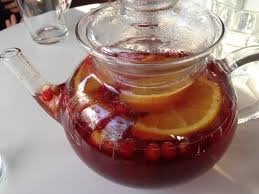
Ukrainian tea features a rich tradition of aromatic herbal blends, particularly from the Carpathian Mountains, often featuring sea buckthorn, rosehip, thyme, and mint.
Popular options include Ivan Chai (fireweed tea), berry mixes, and premium brands like LOVARE. It is usually served hot with lemon or honey, and often represents healing, natural wellness, and history.
Key Characteristics of Ukrainian Tea:
Many teas are wildcrafted blends from the Carpathian Mountains, often including chamomile, lemon balm, raspberry leaves, and sea buckthorn.
A traditional fermented herb tea known as Ivan-Chai is highly popular, often mixed with wild berries.
Teas are often utilized for health benefits, such as Vitamin C-rich mixes containing red mountain ash, hawthorn, and rose hips.
LOVARE is a prominent Ukrainian premium brand offering mixtures like "1001 Nights" (black/green blend) and various aromatic blends.
Ukrainians typically drink black or herbal tea with lemon, avoiding milk. Honey or jam is often served on the side.
Transcarpathia is the only region in Ukraine where actual tea bushes are grown, offering a unique local tea aroma.
This page is a permanent link to the reply below and its nested replies. See all post replies »
My grandparents always drank tea from a glass, the yiddish:
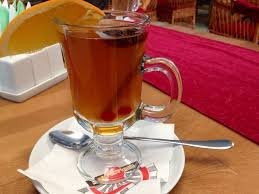
A "Yiddish glass of tea" (a glezel tey) is a traditional Eastern European Jewish staple, typically served hot in a glass rather than a cup, often with a metal holder. It is historically associated with sipping through a sugar cube held between the teeth, accompanied by lemon, jam, or sweet pastries.
Cultural Significance: Drinking tea from a glass was standard, often signifying warmth, hospitality, and a simple, comforting staple of life. How to Serve: A teabag or tea leaves are placed into a heat-resistant glass—often with a metal holder (podstakannik)—and filled with boiling water. "Glazel" Context: The word glezel refers to a small glass, with the phrase often evoking nostalgia for old-world traditions. "Glass of Tea" Culture: In Eastern Europe, tea was sometimes served with a piece of sugar broken off from a larger sugarloaf. It was commonly enjoyed while listening for the cracking sound of sugar and without stirring.
Interestingly, when we lived in Iceland, we found the Icelanders often had the same tradition of holding a cube of sugar between their teeth and sipping the tea through it.