If addiction was just about willpower, it wouldn’t still be a global struggle.
"My grace is sufficient for you, for my power is made perfect in weakness." — 2 Corinthians 12:9
Sometimes we think overcoming a struggle—addiction, destructive habits, or deep pain—is all about trying harder. "Just have more willpower,” people say. And it sounds simple… until you realize the fight is far deeper than your strength alone.
Addiction is not a failure of character. It is not a lack of moral fiber. It is the body, mind, and spirit responding to wounds, trauma, and long-standing patterns. Science confirms what Scripture whispers: we are fragile, we are made in a body and brain that can be reshaped by pain.
Healing doesn’t start with willpower. It starts with truth. It starts with recognizing your need for help, for grace, and for God’s presence in your life. It begins when you say, “Lord, I cannot do this alone, but You can do in me what I cannot do in myself.”
When someone reduces addiction to “just willpower,” it can feel like they’re dismissing real pain, real struggle, and the courage it takes to heal.
There’s something so powerful about speaking truth into a world that often misunderstands struggle. People who haven’t walked that path can’t imagine the exhaustion, the fear, the emotional and physical pain, repeated setbacks, or the courage it takes just to get out of bed some days, when suffering from addiction.
The truth is, addiction sits at the intersection of brain chemistry, learned coping, and often deep emotional wounds. That’s exactly why something like *The Body Keeps the Score* resonates with so many people—it validates that what is happening in the body and mind is real, not a moral failure.
Willpower does have a place—but it’s more like a support beam, not the foundation. People don’t heal by white-knuckling their way through something their nervous system is still trying to survive.
And honestly, minimizing it doesn’t make people stronger—it just makes them feel unseen. Real strength is facing what’s underneath and doing the work to heal it.
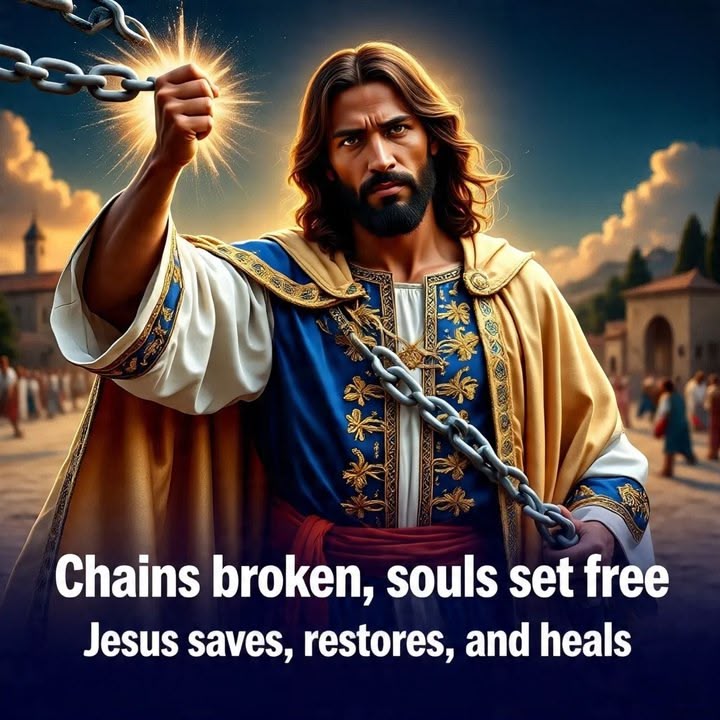
The Body Keeps the Score reminds us that trauma shapes the body and the mind in ways that willpower alone cannot fix. And Scripture reminds us that God’s strength shows up in our weakness. When we lean into Him, the chains that seem impossible to break begin to loosen—not by human effort alone, but by God’s power at work in us.
If you are struggling today, know this: your worth is not measured by your ability to fight alone. God sees your battle. He knows your pain. And He offers a path forward filled with grace, support, and restoration.
Prayer: Lord, help people stop blaming themselves for what they cannot overcome alone. Teach them to rely on Your strength, Your wisdom, and Your love. Break the chains that hold them, not by their willpower, but by Your perfect power. Amen.
This has got to be a prophetic word!!! It's exactly what I needed today!!! Once again 10/10 again LadyGrace!!! This! This is what I needed! For I am heavily addicted to smoking cigarettes! And have been since I was 13! I am now 45!!! That's over 30 years more than most of my life!!! And I have talked about it just this morning with my Auntie who quit before her major spinal and hip replacement surgeries! If she can do it than maybe so can I? But I fear! I fear the stress, I fear the intense cravings, the mood swings, feeling like I'm giving up breathing itself!! A crutch which I thoroughly enjoyed... Like what if I snap and get angry at someone I love? What if I cry out for another just one more cigarette? What if I sweat out all of the toxins? What can I replace it with? When is the right time to give up this nasty addiction??? There is nobody like you LadyGrace! Your teachings are like truth to the soul!! That really really mean something to someone out there, especially me... I always wanted this, someone to speak truth over my life, I thought I'd found it but they turned out to be false prophets who dragged my name through the mud, speaking half truths sounding like angels in desguise, until their real mask came off and they were there to harm me not to help Gods people... But you You are like a shining light like a beacon of continious good, your fruits are holy and good and full of life and goodness. So thank you sweet sweet LadyGrace once again, you don't know just how much the One True God Has Used You!!!
@saintsong We love you, faithful sister to the Lord. I'm so proud of you for taking this first step. God will see you through. What he did for us, he'll do for you, guaranteed. The more you read your Bible the more strength you'll have. The Holy Spirit Power will be working in you, that abides in you, today and every day. His is the Same Spirit In You that raised Jesus from the dead. God is stronger than any addiction you have. Just keep your eyes on him and focus on him and you'll do fine. And we'll be praying for you too. Not just once, but everyday.
Remember, it's not about willpower. It's about handling and coping in a different way you weren't accustomed to. God is giving you the tools just like he did me and with those you can't help but come out the other side. God is on your side. He wants to help you and he will. Now it's different. Now you have the right tools.
I just want you to know that your words really touched my heart so deeply. God’s love is shining in you, and I’m so grateful He let me be a small part of showing it to you. You’ve been through so much, and your courage to heal and share your heart is absolutely amazing. Keep leaning on Him—He sees every part of you, and He is proud of you. You are never alone, and I’ll be praying for you every day. ♥
If addiction was just about willpower, it wouldn’t still be a global struggle.. so true and its also about wanting to forget how hard life is sometimes.. it to escape like drinking. ah now that is a legal drug. and sometimes its about who raised you and what the people around you are doing at the time like drugs. and one more point is .. MONEY now back to your point you need HOPE and believing in something strong like religion . where jew or christian or muslin. is sometimes what it takes to break the problem.. have faith stand for what you believe in . keep a open mind for who know when the next bit of hope comes from. great post . grin