

This page is a permanent link to the reply below and its nested replies. See all post replies »

UndeadPrivateer · 31-35, M
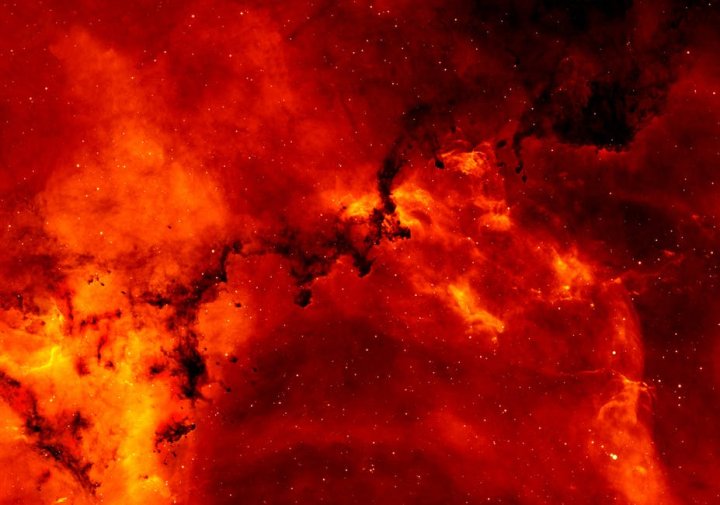
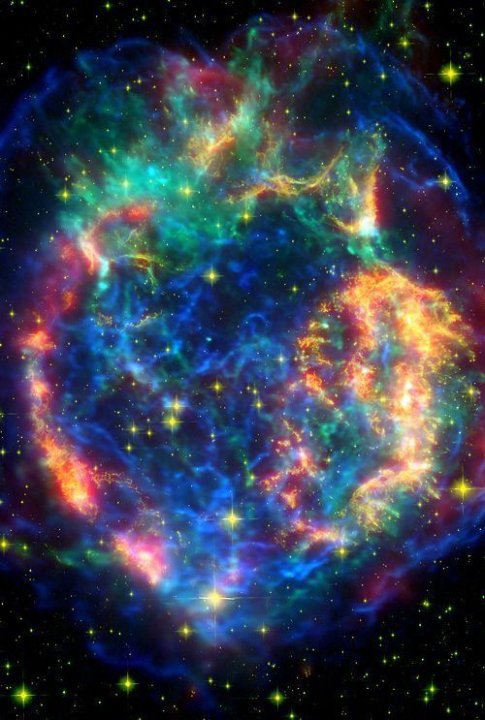
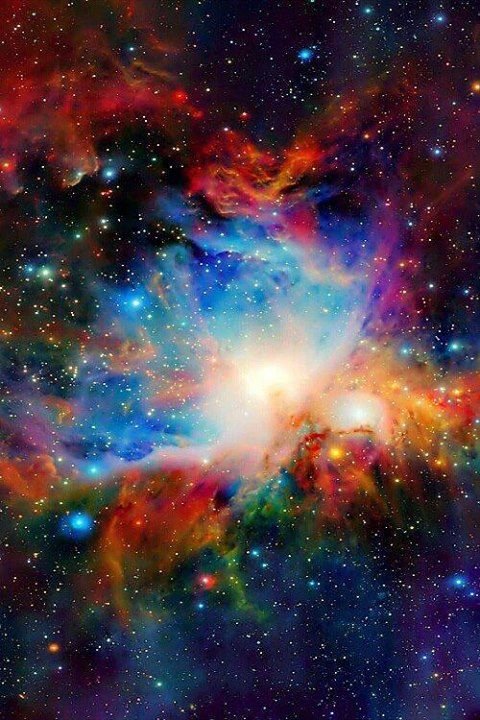
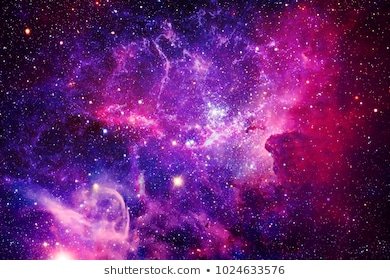
It depends on the individual telescope whether or not those are true color images, though it is true that they're not actually vibrant colors like seen in images because they use incredibly long exposure times to collect the images from light that's basically just trickling in. This is commonly referred to as the "light bucket" method. This way you can get very distinct and clear images of incredibly faint objects like nebulae and galaxies.

@UndeadPrivateer apparently what they do is set it to pick up a set parameter of frequencies, the photos they take are in black and white.
And they take multiple photos, each one, just a segment of the light spectrum.
( because each galaxy is different)
They they assign a colour to each, and then compile them together... And Wahlah!... A readable visual representation of that galaxy.
I though it was rather clever really.
And they take multiple photos, each one, just a segment of the light spectrum.
( because each galaxy is different)
They they assign a colour to each, and then compile them together... And Wahlah!... A readable visual representation of that galaxy.
I though it was rather clever really.
UndeadPrivateer · 31-35, M
@BoobooSnafu Indeed, it is pretty damn fascinating stuff. It's the principle behind modern digital cameras, which we have the space program to thank for. CMOS light sensors were developed in response to figuring out how to get pictures of the stars and planets back from probes. Whether the light spectrum being captured is in the visible wavelength or not varies.
@UndeadPrivateer huh!!!....didn't know that!!!
Everything filters down from the science of man's quest to expand, whether it be discovery or war.
Everything filters down from the science of man's quest to expand, whether it be discovery or war.
UndeadPrivateer · 31-35, M
@BoobooSnafu Very, very true.