This page is a permanent link to the reply below and its nested replies. See all post replies »
markinkansas · 61-69, M
@markinkansas AI Overview
Yes, impersonating a police officer or any law enforcement official is a criminal offense in the United States, Canada, and many other jurisdictions
. It is considered a serious crime because it undermines public trust,
Yes, impersonating a police officer or any law enforcement official is a criminal offense in the United States, Canada, and many other jurisdictions
. It is considered a serious crime because it undermines public trust,
DeWayfarer · 61-69, M
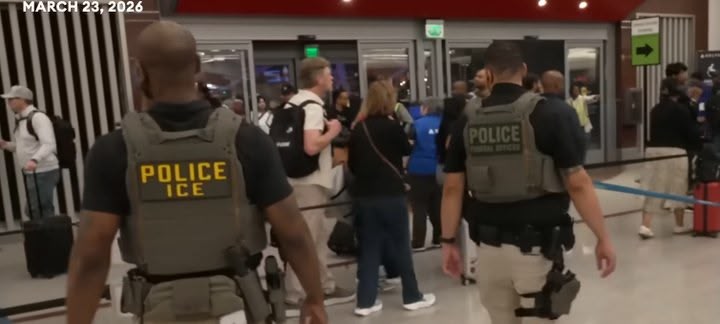
@markinkansas Technically ICE falls under federal law enforcement. So police is likely applicable.
The issue should be the type of police. Since they technically can only do immigration enforcement.
Their not showing who they are interferes with local and state as well as other federal law enforcement agencies. Because now everyone won't trust any law enforcement.
ICE is indeed a federal law enforcement agency under the Department of Homeland Security, and its agents have specific powers to enforce immigration laws, which differ from local police. While ICE agents can detain individuals suspected of being in the U.S. illegally, they must adhere to constitutional protections and legal standards.
The issue should be the type of police. Since they technically can only do immigration enforcement.
You're right: the key distinction is the type of agency. ICE is a federal immigration enforcement agency and its authority is limited to immigration-related matters, unlike local police who enforce state and local laws.
Their not showing who they are interferes with local and state as well as other federal law enforcement agencies. Because now everyone won't trust any law enforcement.
markinkansas · 61-69, M
@DeWayfarer Their not showing who they are interferes with local and state as well as other federal law enforcement agencies. Because now everyone won't trust any law enforcement. so true
DeWayfarer · 61-69, M
@markinkansas There is court cases in progress on this very issue. Until federal rulings have been made little legal actions can be taken. State laws and courts can't interfere with federal enforcement.
Correct. Federal supremacy generally limits state courts' ability to block federal immigration enforcement; key legal challenges and remedies often must be resolved in federal courts. Ongoing litigation could clarify limits on identification, jurisdiction, or practices, but until binding federal rulings arrive, actionable constraints on federal agencies remain limited.