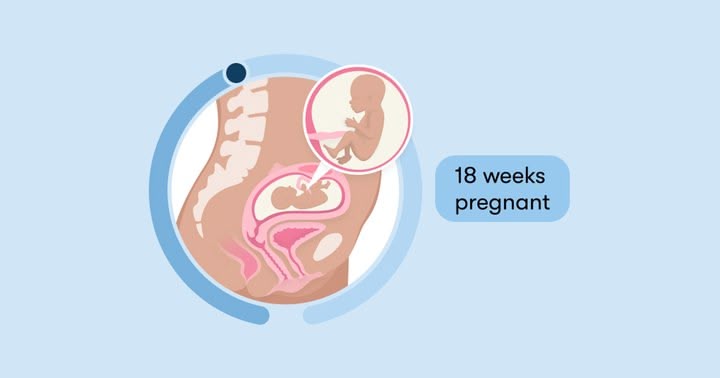
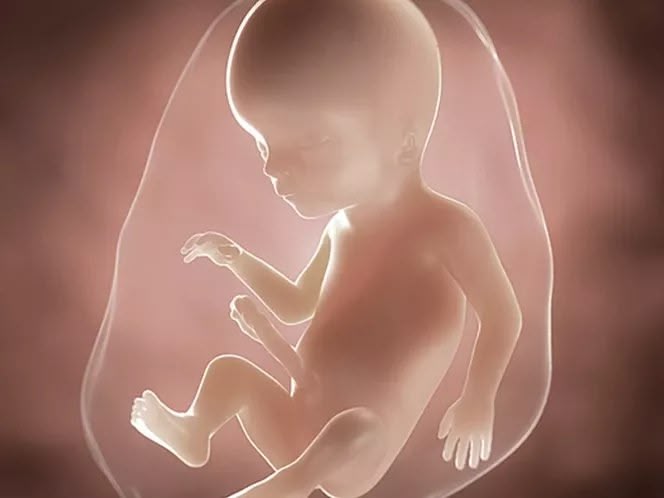
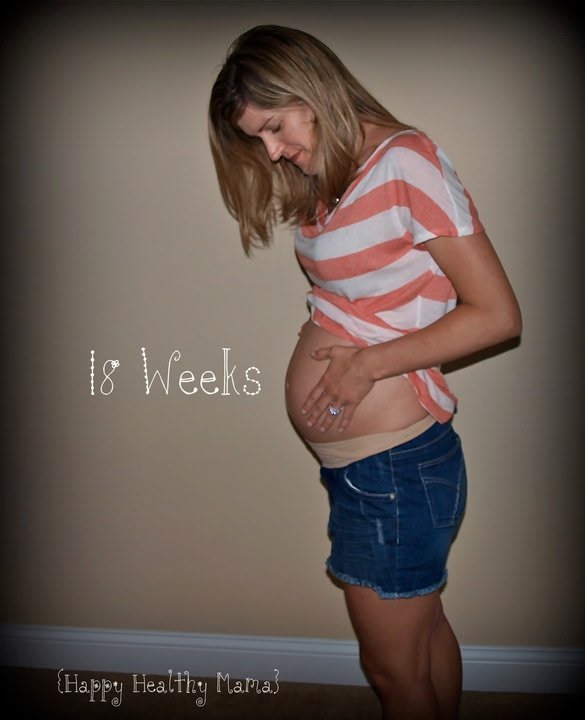
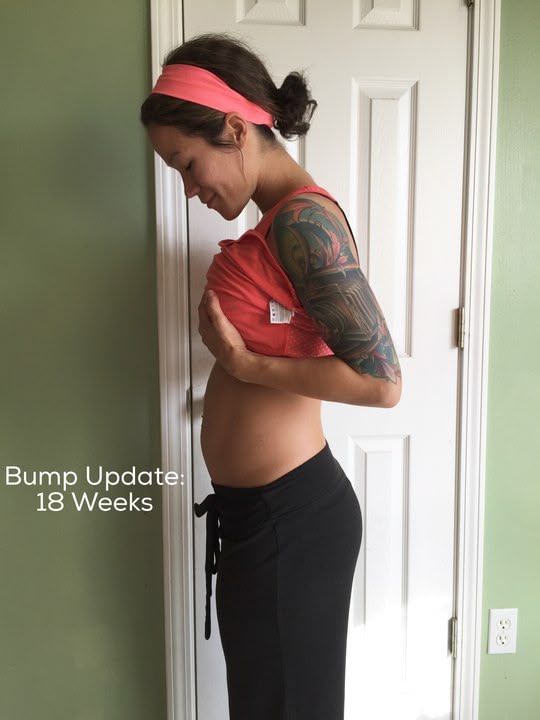
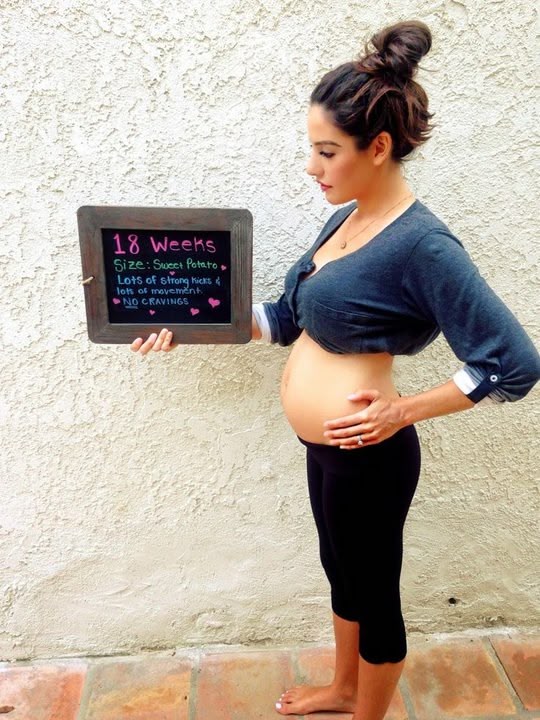
At 18 weeks pregnant, you are in your fifth month and second trimester, and your baby is roughly the size of a sweet potato or bell pepper, measuring about 14–18 cm and weighing around 190–200g.
You may start feeling baby’s movements (quickening), and common symptoms include round ligament pain, dizziness, and backaches.
Baby's Development at 18 Weeks Size: The baby is about 14.2 cm to 18 cm long from head to bottom.
Movements: They are actively rolling, kicking, and, in some cases, yawning or hiccuping. Senses: The baby can now hear sounds, such as your heartbeat or voice.
Features: Unique fingerprints are forming, and the baby is covered in a protective, waxy coating called vernix caseosa.
Development: Myelin (a protective covering) is developing around nerves.
Symptoms & Body Changes Baby Moves (Quickening): You may feel light flutters or bubbles in your belly, often mistaken for indigestion.
Physical Aches: Growing, heavier uterus causes round ligament pain, and increased blood volume may cause dizziness or nasal congestion.
Skin Changes: Improved circulation might give you the "pregnancy glow," or sometimes, acne. Increased Appetite: You may feel hungrier and have fewer nausea symptoms.
Tips for 18 Weeks Scan Time: The 18-20 week anomaly scan is usually scheduled around this time to check the baby's development and, if desired, to identify the sex.
Sleep Position: Start sleeping on your side to maximize blood flow to the placenta.
Pelvic Floor: Begin doing pelvic floor exercises (Kegels) to prepare for the strain of the coming months.
Back Support: As your belly grows, practice good posture to avoid back strain.
Note: If you haven't felt movement yet, do not worry; many people don't feel consistent movement until closer to 20-22 weeks.