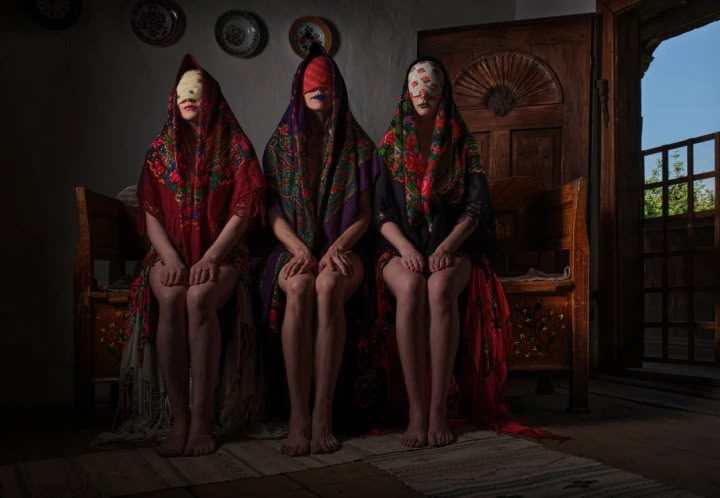
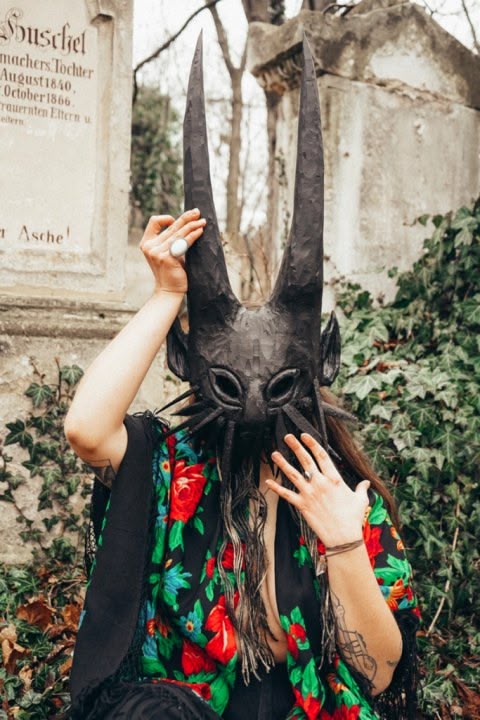
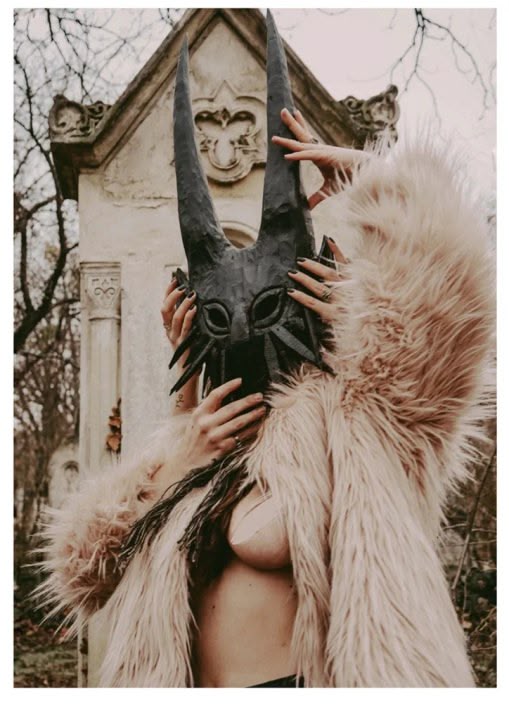
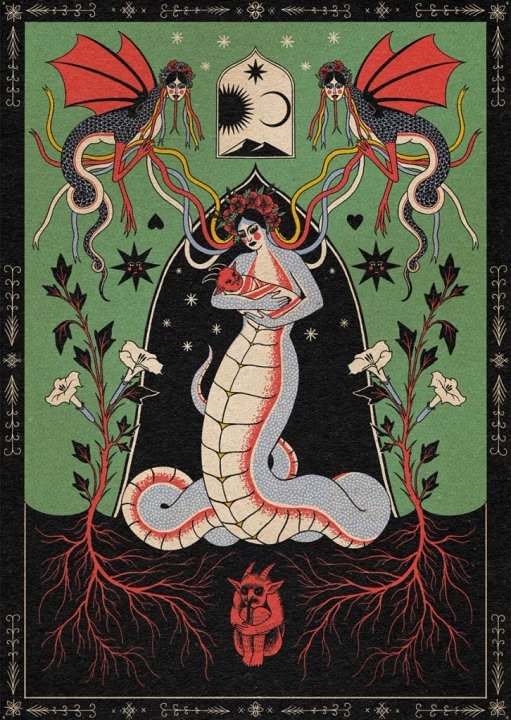
Carpathian witches, historically known as Bosorkany (female witches) and Molfary (shamanic wizards/healers), are legendary figures in the folklore of the Carpathian Mountains, particularly in Ukraine, Romania, and Slovakia.
Deeply rooted in regional history, they are believed to act as intermediaries between the physical and spirit worlds, capable of controlling the weather, healing the sick, and communing with nature. The Lore and Practices Legends detail several key aspects of Carpathian witchcraft: The Bosorkanya: Often described as women endowed with supernatural powers, they are traditionally believed to be able to command wind and rain, harvest the energy of local herbs, and affect the luck or wealth of the people around them. The Molfary: The term molfar is often used for male practitioners (or molfarka for female) in the Hutsul tradition of Ukraine. They are highly respected community figures capable of both "white" magic (like healing and warding off curses) and dealing with darker spirits. Herbalism: Practitioners rely heavily on local Carpathian flora, such as the Autumn gentian, which is used in traditional divinations and rituals. Ancestral Connection: Much of the magic is tied to the cult of ancestors and communication with spirits lingering in the mountain forests. Surviving Traditions While heavily romanticized in mythology, these folk beliefs evolved as a way for isolated, mountain-dwelling communities to cope with the harsh realities of winter, illness, and mystery. To this day, many small, remote villages scattered across the Ukrainian Carpathians and Transylvania retain a local folk-healer or practitioner who relies on these ancient incantations and folk remedies. To explore the deeper history and regional folklore of these practitioners, you can read more about the Carpathian Molfars or listen to podcasts breaking down Baba Yaga's Magic regarding the specific shamanic practitioners of the mountains.