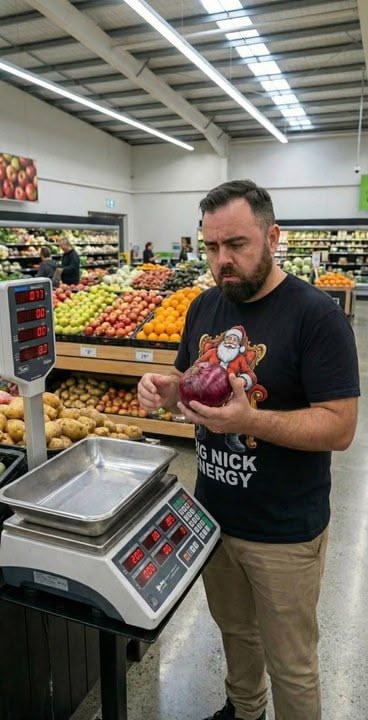
📰 West Coast Supermarket Confirms Fruit Doesn’t Feel Comfortable Being Weighed Yet
Customers asked to “build trust” with produce before placing it on scales
GREYMOUTH — A West Coast supermarket has confirmed that several items in its fruit and vegetable section are “not emotionally ready” to be weighed, following the rollout of a new Produce Sensitivity Policy aimed at creating a safer environment for apples, avocados, and “particularly vulnerable” bananas.
Shoppers were left confused this week after self-service scales began displaying the message: “This item has not consented to being weighed. Please wait or seek assistance.”
Store manager Tess Stickles said the policy was introduced after concerns traditional weighing practices were “transactional and outcome-focused.” “For years we’ve just been slapping fruit straight onto cold metal scales,” Stickles said. “There’s been no check-in, no conversation, no acknowledgement of the fruit’s journey. We’re trying to do better.”
Under the new system, customers are encouraged to spend time with their produce before weighing, including:
Making eye contact with the fruit
Offering verbal reassurance such as “You’re safe here”
Avoiding sudden movements, especially with stone fruit
Refraining from aggressive melon fondling, which is now discouraged
According to signage in the produce aisle, fruit may opt in to being weighed “when it feels supported, seen, and ready.”
Local resident Drew Peacock said the changes had made his weekly shop “unnecessarily intimate.”
“I just wanted two onions,” Peacock said. “But one of them wasn’t ready to commit to a weight, and the other was apparently ‘exploring its identity as a garnish.’ I left with nothing but emotional fatigue.”
Greymouth tradie Alf Huckham was less understanding.
“I work long days,” he said. “If a potato can’t handle a set of scales, how’s it gonna handle being mashed?”
Despite criticism, the supermarket says early indicators are positive, reporting fewer bruised fruit incidents and a noticeable drop in what staff now refer to as “weighing-related distress.”
The next phase of the rollout is expected to include optional counselling for rejected produce, a quiet room for overstimulated tomatoes, and a pilot programme allowing fruit to self-report its own weight “when it feels authentic.”
For now, customers are advised to remain patient. “This is about consent and respect,” Stickles said. “Sometimes the scales aren’t the problem — sometimes the fruit just isn’t ready.”
The supermarket confirmed the scales will remain active, but emotionally available, “until everyone feels comfortable.”
I have given up on weighing certain fruit and veggies because I don't feel comfortable handling them. I get those weird looks when I try to brush off the dried earth from potatoes or other fruit/vegetable and people think I was kind of very hungry or reminiscing my last date, which, I emphasize, do not.
@KiwiBird Oh, believe me, I held myself back here since this post is about fruit and vegetable. I took the most innocent sample to illustrate my answer.
Are you talking about "laxative" veggies here? There is not much to say or show about spinach and broccoli though 😉