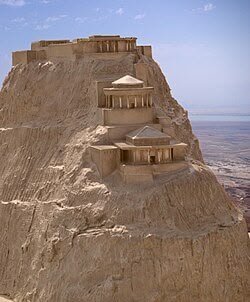
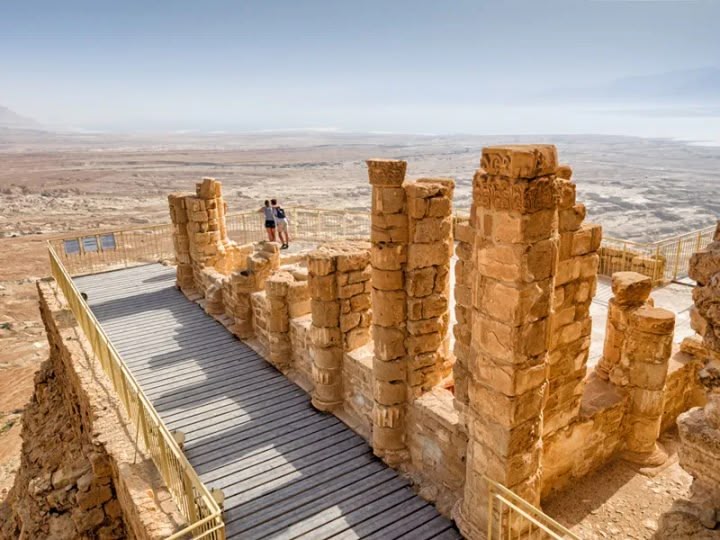
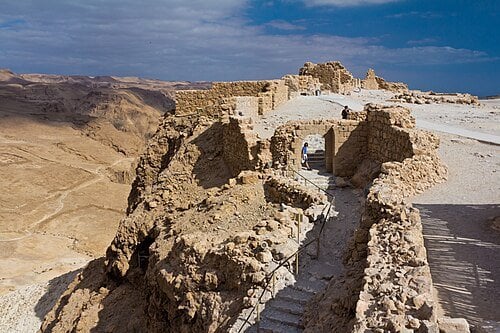
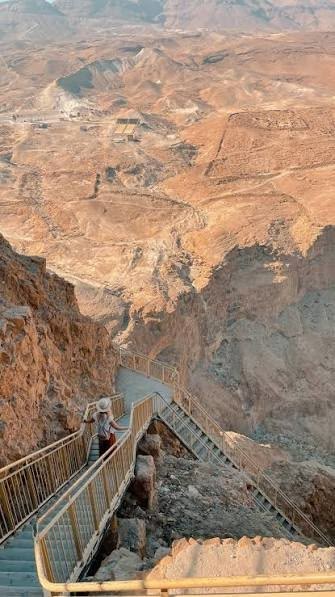
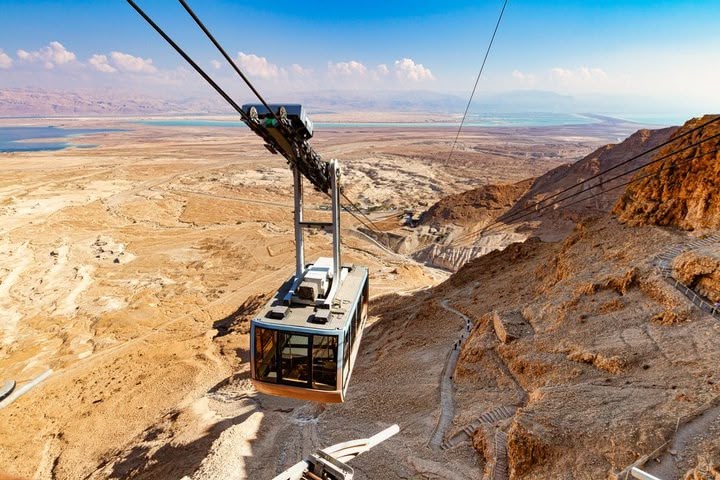
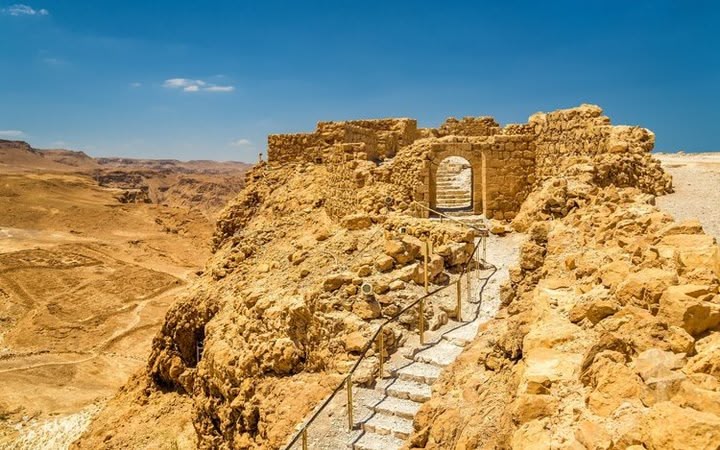
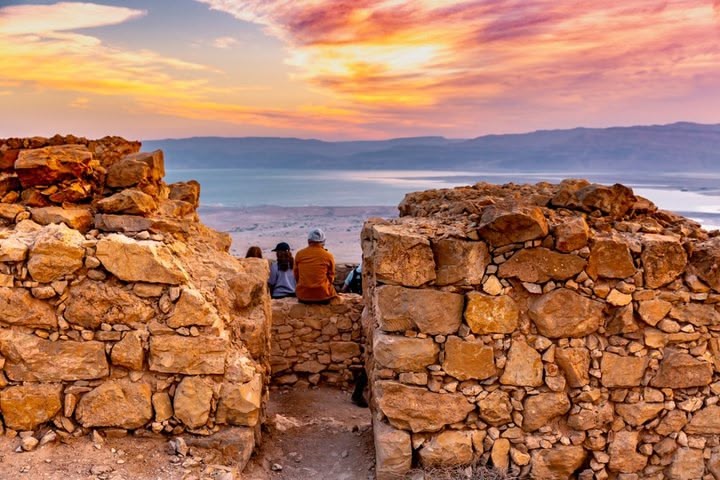
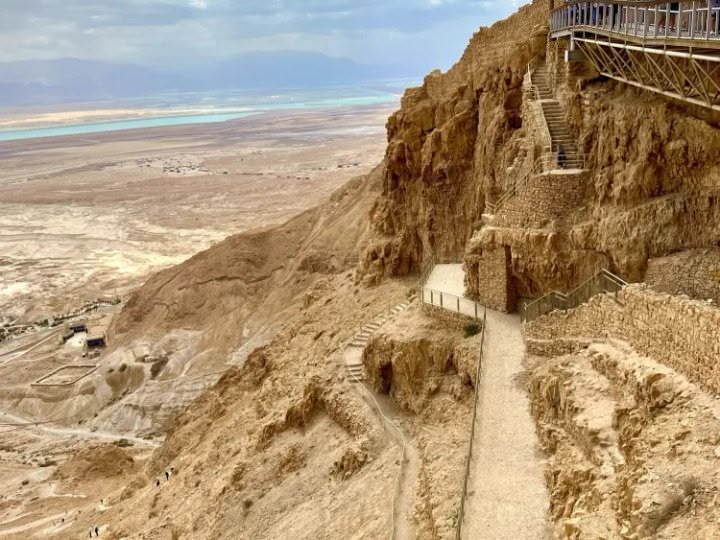
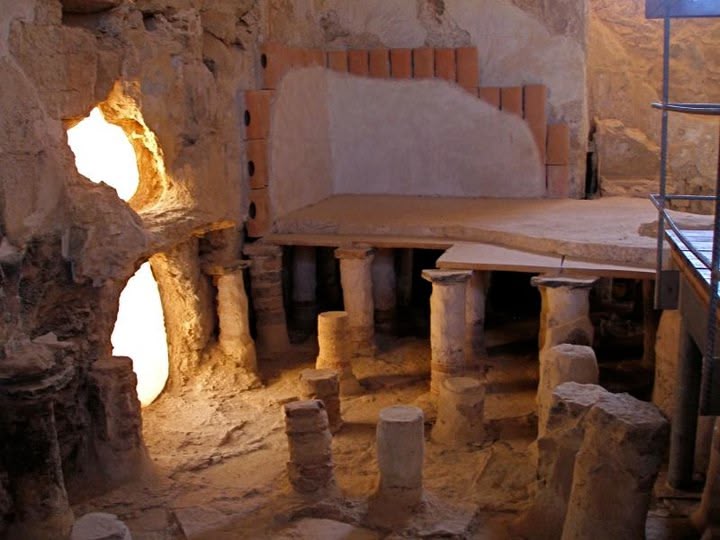
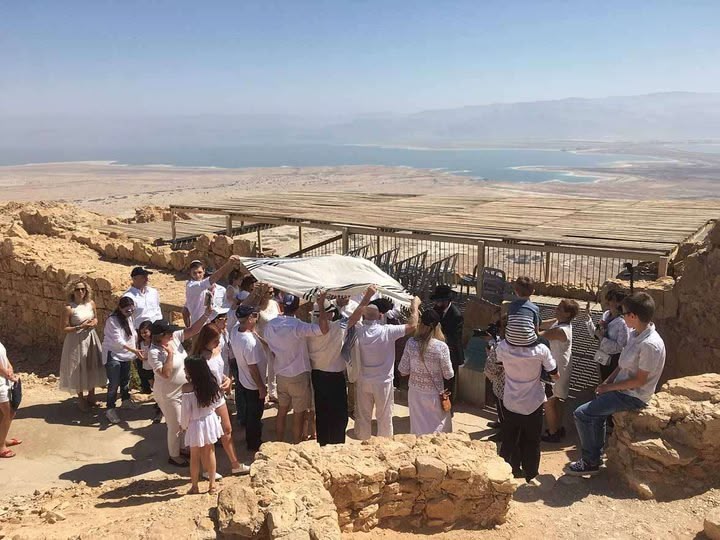
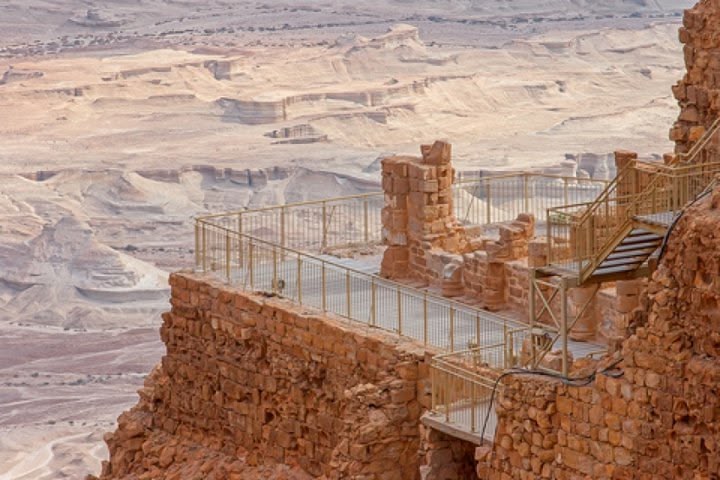
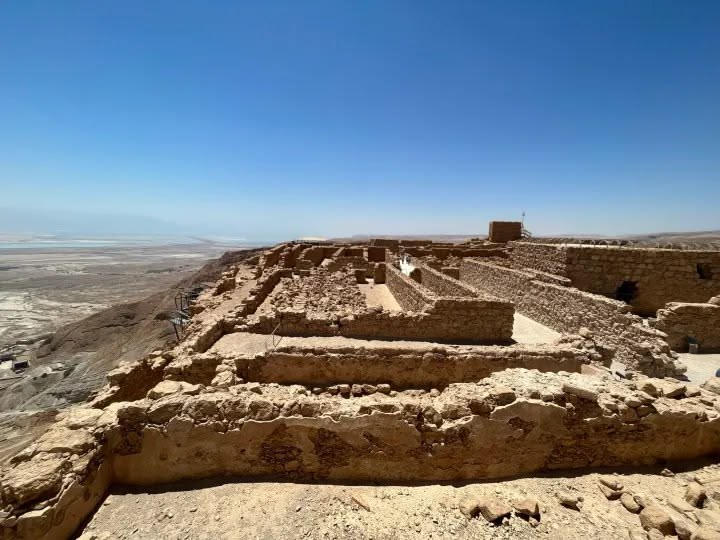
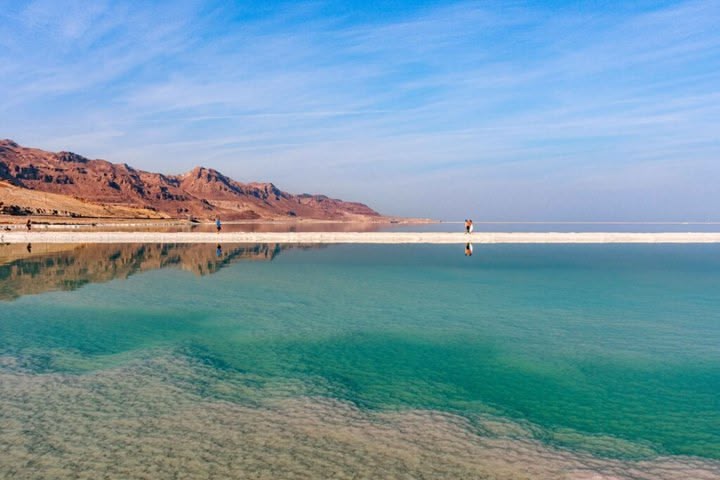
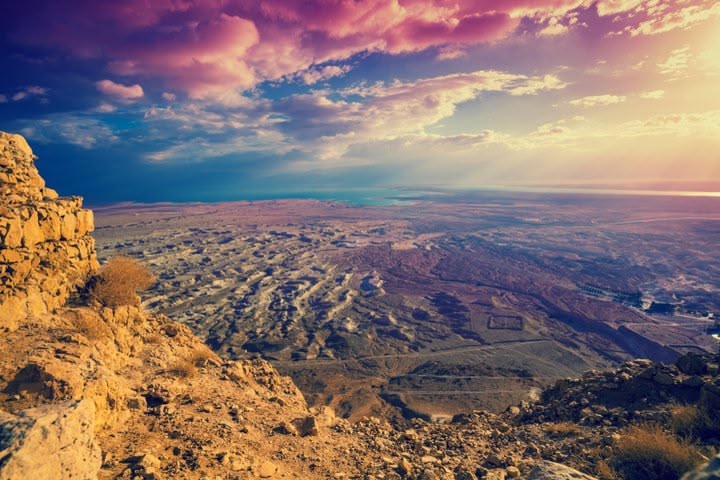
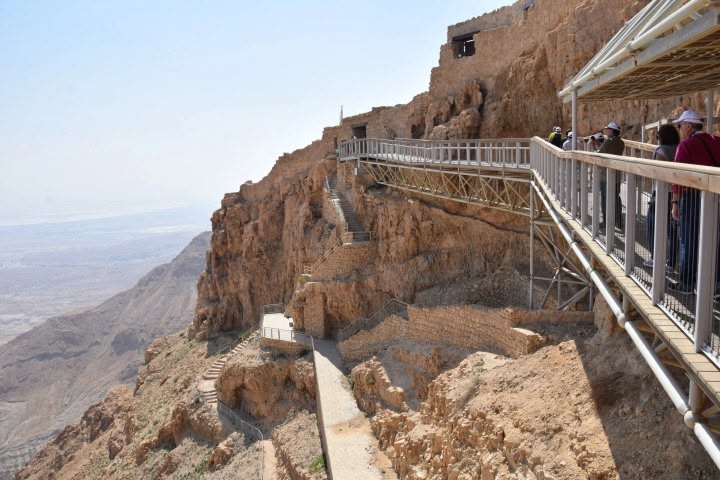
Masada is an ancient hilltop fortress overlooking the Dead Sea where nearly 1,000 Jewish rebels and their families made a legendary last stand against the Roman Empire in 73 CE, choosing to take their own lives rather than surrender and face enslavement.
The sequence of events includes: The Rebel Stronghold: Originally built as a luxurious desert palace by King Herod the Great, the nearly inaccessible, cliff-top location was seized by a radical group of Jewish zealots (the Sicarii) during the First Jewish-Roman War.
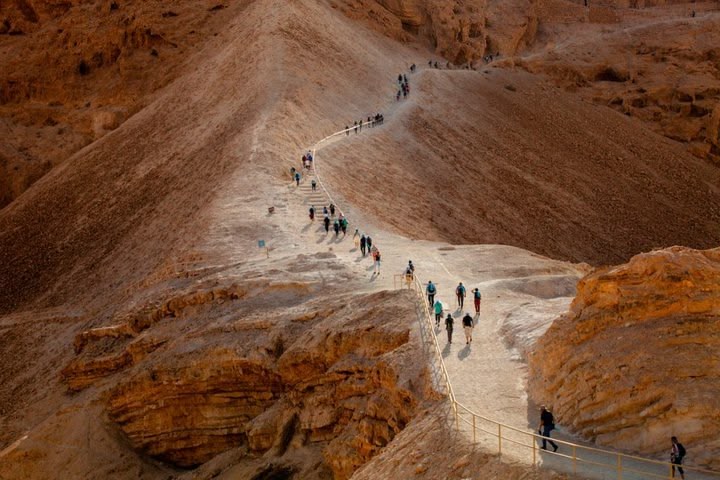
The Roman Siege: In 72 or 73 CE, Roman Governor Lucius Flavius Silva and the 10th Roman Legion marched on Masada. The Romans built a wall encircling the mountain base and constructed a massive earth and stone ramp to breach the fortress walls.
The Mass Suicide: According to the ancient historian Flavius Josephus—the only contemporary written source for the event—the rebel leader, Eleazar ben Ya'ir, convinced his followers that death was better than Roman slavery. The men killed their own families, and then drew lots for ten men to execute the remaining defenders, with the very last man taking his own life. When the Romans breached the walls the next morning, they discovered the dead.
Historical Debate: While modern archaeology has successfully verified the physical siege works, ramps, and Roman encampments, the dramatic story of the mass suicide lottery is debated by some historians, who suggest the details may have been embellished by Josephus.
Today, the UNESCO World Heritage Centre lists Masada as a protected site. It remains a profound cultural symbol in Israel, representing courage and resistance against overwhelming odds.