Beyond the Manger: The Dual Nature of Jesus, the Messiah - Isaiah 9:6
While Jesus' birth is a beautiful and foundational event, it's only the beginning. The core of Christ's message lies in His life, sacrificial death, and triumphant resurrection, offering redemption and proving His divinity.
The resurrection fulfills His purpose, showcasing Him as the risen Savior and victorious King who conquered death: not just an infant born in Bethlehem. Christmas ultimately points to the celebration of Jesus as Lord, who offers eternal life through His finished work on the cross.
Jesus: Isaiah's Prophesied Messiah Who Conquered Death and the Grave
The prophet Isaiah prophesied about Jesus's coming around 700 to 750 years before Jesus' birth, with his prophecies appearing in the Old Testament, and were fulfilled centuries later. That is a sign of a true prophet.
Isaiah lived and prophesied in the 8th century BC. Isaiah 9:6 is a widely cited Old Testament scripture. It is his prophecy about the birth and nature of Jesus Christ:
"For to us a child is born, to us a son is given... and he will be called Wonderful Counselor, Mighty God, Everlasting Father, Prince of Peace."
This verse supports the dual nature of Jesus: he was both human ("a child is born") and also described as divine ("Mighty God, Everlasting Father"). Jesus is not only the promised Messiah, but also fully divine, the incarnation of God himself.
Jesus is also called the Messiah in Matthew 1:16. “Jesus Christ,” refers to Jesus as the Messiah, since Christ means “Messiah” or “Anointed One.” The Old Testament predicted the coming Messiah, while the New Testament reveals the Messiah to be Jesus of Nazareth.
Prophetic Requirements Necessary to Confirm the Coming Messiah
Jesus fulfilled the requirements of the Messiah, in that He was a Hebrew of the tribe of Judah (Luke 3:30), and He was born in Bethlehem (Luke 2:4–7) to a virgin (Luke 1:26–27). Here's more:
Birth & Early Life
Virgin Birth: Isaiah 7:14 (Matthew 1:22-23). Birthplace: Micah 5:2 (Matthew 2:1-6). Line of David: Isaiah 9:6-7, Genesis 49:10 (Matthew 1:1). Called "Immanuel": Isaiah 7:14 (Matthew 1:23). Fleeing to Egypt: Hosea 11:1 (Matthew 2:13-15).
Ministry & Actions
Announced by a Messenger: Malachi 3:1 (Matthew 11:7-10). Anointed in Galilee: Daniel 9:25 (Matthew 3:13-17). Preached Good News & Healed: Isaiah 61:1, Isaiah 53:4 (Luke 4:16-21, Matthew 8:16-17). Zeal for God's House: Psalm 69:9 (John 2:17). Suffering & Death (Isaiah 53/Psalm 22) Suffering Servant: Isaiah 53:5-6 (Suffered for sins). Despised & Rejected: Isaiah 53:3 (Matthew 27:39-43). Pierced: Psalm 22:16, Zechariah 12:10 (John 19:33-37). Hands & Feet Nailed: Psalm 22:16 (Matthew 27:35). Lots Cast for Clothing: Psalm 22:18 (John 19:23-24). Betrayed for 30 Pieces of Silver: Zechariah 11:12-13 (Matthew 27:3-10). Friends Abandoned: Zechariah 13:7 (Matthew 26:56). Silent Before Accusers: Isaiah 53:7 (Matthew 27:12-14). Given Vinegar/Gall: Psalm 69:21 (Matthew 27:34). Bones Not Broken: Psalm 34:20 (John 19:33, 36). Buried with the Rich: Isaiah
Here's some scriptures that reference Jesus as the Messiah:
John 10:30 Jesus said, "I and the Father are one."
John 4:25-26 "The woman said to him, “I know that Messiah is coming (he who is called Christ). When he comes, he will tell us all things.” Jesus said to her, “I who speak to you, am He.”
Isaiah 7:14 "Therefore the Lord himself will give you a sign. Behold, the virgin shall conceive and bear a son, and shall call his name Immanuel."
Emmanuel" (or "Immanuel") means "God with us" and is a title/description applied to the Messiah (Jesus) in the Bible, fulfilling an ancient prophecy from Isaiah and signifying Jesus' divine presence among humanity. While not His given name (Jesus), it describes His nature as God incarnate, present with His people forever.
Peter Proclaims the Messiah
John 1:41 "He first found his own brother Simon and said to him, “We have found the Messiah” (which means Christ)."
This verse from the Gospel of John, is where Andrew, tells his brother Simon, that they've found the promised Messiah, Jesus, and brought him to Him.
Jesus renamed Simon to Peter(or Cephas in Aramaic, both meaning "rock" or "stone"), a significant moment signaling Simon's new role as a foundation for the church, though he was also known as Simon Peter, combining his original name with his new identity, signifying a transformation and special commission as a leader and pillar of the community.
This is in Matthew 16:18, where Jesus says, "You are Peter, and on this rock I will build my church". The name change marked a spiritual transformation and a divine appointment to be a foundation (the "rock") of the Church. According to the New Testament, Jesus gave great responsibilities to Peter. It's a key moment showing the first disciples finding Jesus and bringing others to Him, fulfilling the expectation of the Messiah.
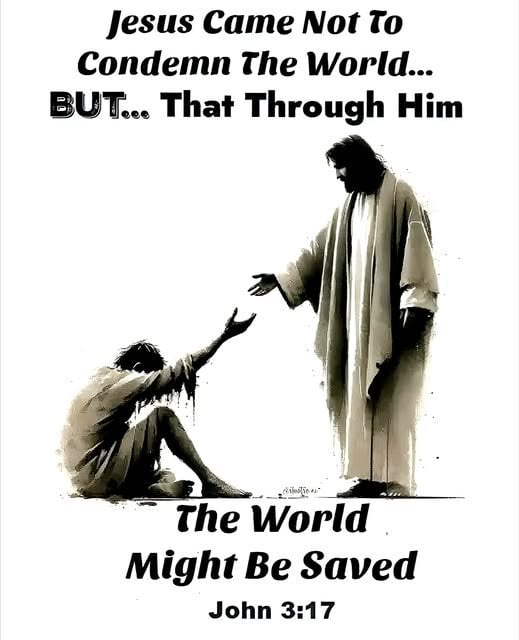
In the life, death, and resurrection of Jesus Christ, we find the ultimate expression of God's love and redemption for humanity.