The Story and Meaning Behind the Beautiful Hymn, "Christ Arose!".
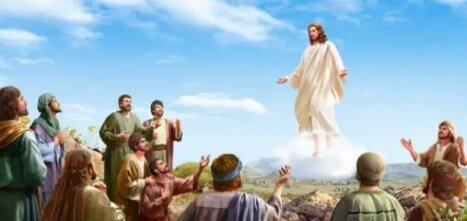
This hymn praises the resurrection of Jesus and our eternal salvation as believers in Him. This powerful hymn celebrates the triumph of Jesus over death and the "dark domain." May we be encouraged by its lyrics and uplifting melody to praise Jesus for cleansing our sins and eternal life in faith.
A wonderful hymn for Easter! Also known as "Up from the Grave He Arose" and simply "Low in the Grave He Lay," this hymn praises the resurrection of Jesus and our eternal salvation as believers in Him. This powerful hymn celebrates the triumph of Jesus over death and the "dark domain." May we be encouraged by its lyrics and uplifting melody to praise Jesus for cleansing our sins and eternal life in faith.
"Christ Arose (Low in the Grave He Lay)" was written and composed by Robert Lowry in 1874 and firstpublished inBrightest and Best, 1875. Today, it is often remembered by the first line of its refrain, "Up from the grave He arose."
Robert Lowry was born in Philadelphia, 1826. His affection for music was exhibited in his earliest years. As a child, he entertained himself with the many musical instruments in his possession. At the age of seventeen, he joined the First Baptist Church of Philadelphia and soon became an active worker in the Sunday-school as teacher and chorister.
According to hymnary.org,Dr. Lowry was a man of rare administrative ability, a most excellent preacher, a thorough Bible student, and whether in the pulpit or upon the platform, always a brilliant and interesting speaker. He was of a genial and pleasing disposition, and a high sense of humor was one of his most striking characteristics. He could thrill an audience with his vivid descriptions, inspiring others with the same thoughts that inspired him.
His melodies are sung worldwide, and many of his hymns have been translated into foreign tongues. Words are below the following video:
[media=https://youtu.be/oN77HjfAc8k]
Low in the grave He lay, Jesus my Savior,
waiting the coming day, Jesus my Lord!
Refrain:
Up from the grave he arose;
with a mighty triumph o'er his foes;
he arose a victor from the dark domain,
and he lives forever, with his saints to reign.
He arose! He arose! Hallelujah! Christ arose!
2Vainly they watch His bed, Jesus my Savior,
vainly they seal the dead, Jesus my Lord! [Refrain]
3Death cannot keep its prey, Jesus my Savior;
he tore the bars away, Jesus my Lord! [Refrain]
United Methodist Hymnal, 1989
SongwritersRobert LowryPublished byPublic Domain